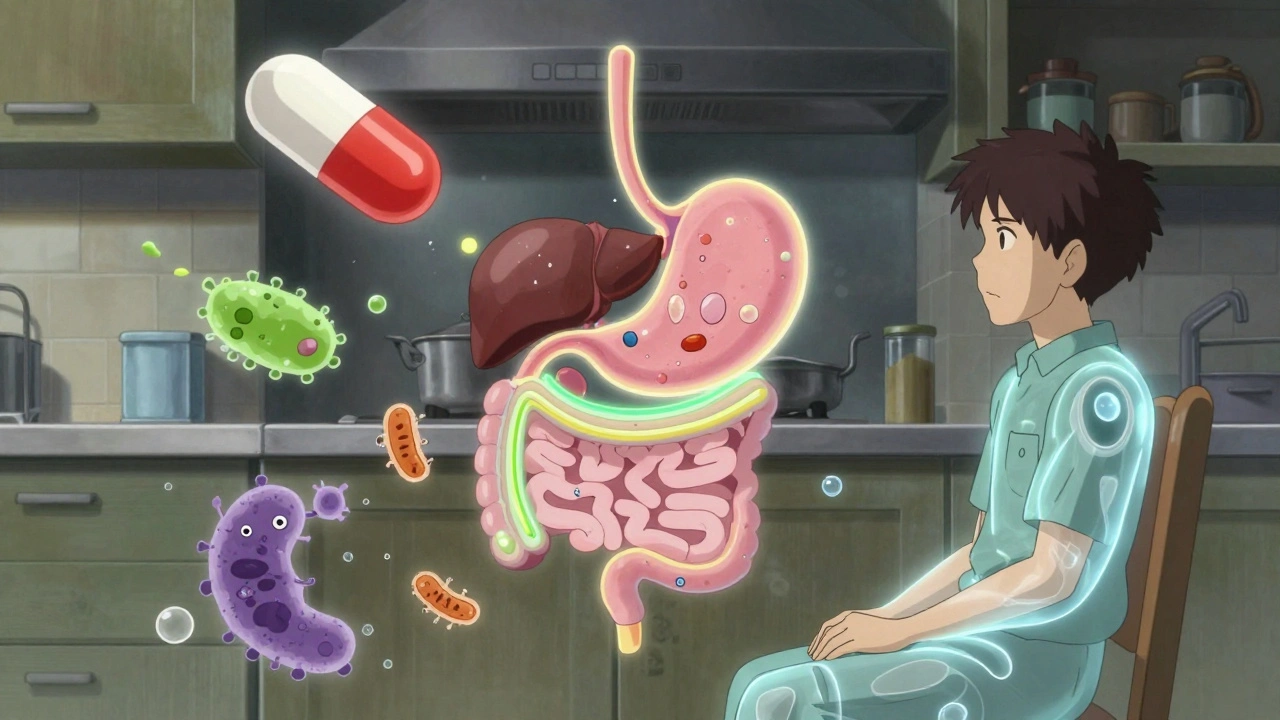
Route of Administration: How Medicines Enter Your Body and Why It Matters
When you take a pill, get a shot, or use a patch, you’re choosing a route of administration, the method by which a drug is delivered into the body to produce its effect. Also known as drug delivery route, it’s not just about convenience—it controls how quickly the medicine works, how much of it reaches your bloodstream, and even whether it’s safe at all. A drug given orally might take 30 minutes to kick in, while the same drug injected straight into a vein works in seconds. That difference can mean the difference between relief and crisis.
Not all routes are created equal. oral administration, swallowing a pill or liquid is the most common because it’s easy and non-invasive—but it’s also the slowest. Some drugs get broken down by stomach acid before they even start working. That’s why drugs like nitroglycerin for heart attacks come as sublingual, tablets placed under the tongue to absorb directly into the blood. It bypasses the gut and hits the bloodstream in under a minute. Then there’s intravenous, injection directly into a vein, used in emergencies or when you need 100% of the dose delivered instantly. And for long-term pain or hormones, intramuscular, injection into muscle tissue gives a slow, steady release over hours or days.
Choosing the wrong route can be dangerous. Colchicine and macrolides can turn deadly if taken together, but that risk changes if one is given as an IV versus a pill. Rifampin can wreck birth control—but only if you swallow it. The same drug, different route, different outcome. Even something as simple as a patch versus a tablet can change how your body handles the medicine over time. That’s why pharmacists and doctors don’t just pick a drug—they pick the route that matches your condition, your body, and your life.
What you’ll find below are real-world examples of how route of administration shapes treatment. From why sublingual immunotherapy tablets work for allergies without needles, to why opioid lockboxes matter because pills can be misused, to how steroid tapers need careful timing because your body stops making cortisol when you stop taking them orally. These aren’t just drug facts—they’re life-and-death decisions hidden in how you take your medicine.