P-gp Inhibition: How It Affects Drug Absorption, Interactions, and Generic Effectiveness
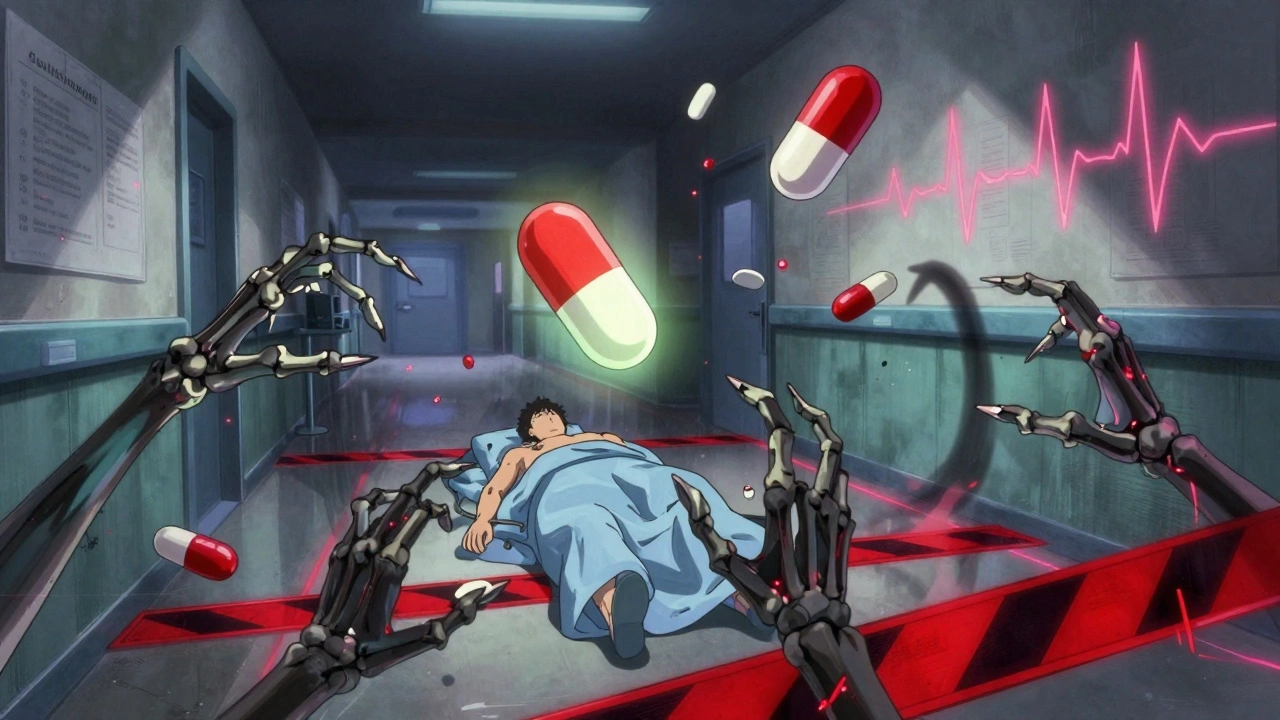
When you take a medication, not all of it reaches your bloodstream. A protein called P-glycoprotein, a transporter protein that pumps drugs out of cells to limit their absorption acts like a gatekeeper in your gut, liver, and brain. This protein, often shortened to P-gp, an efflux pump that reduces drug concentrations in tissues, decides what gets absorbed and what gets pushed back out. P-gp inhibition, the process of blocking this transporter to increase drug levels in the body happens when certain drugs or supplements stop P-gp from working. That can make other meds work too well—or dangerously so.
Think of it like this: if P-gp is a bouncer at a club, P-gp inhibition is like paying the bouncer to let everyone in. That’s why some antibiotics, antifungals, and even grapefruit juice can turn a safe dose of a blood thinner or heart med into an overdose risk. This isn’t theoretical—it’s why drugs like cyclosporine, digoxin, and certain cancer treatments have strict warnings about what you can take with them. It also explains why some generic drugs might seem less effective in certain people: if their P-gp is naturally more active, or if they’re taking something that blocks it, the same pill can behave differently. That’s a hidden variable in generic substitution, and pharmacists using medication therapy management, a service where pharmacists review all meds to prevent harmful interactions need to spot it.
P-gp inhibition doesn’t just affect pills you swallow. It plays a role in how drugs reach the brain, which matters for antidepressants, Parkinson’s meds, and even chemotherapy. If P-gp is blocking the drug from entering the brain, the medicine might not work—even if your blood levels look fine. That’s why some patients don’t respond to standard doses, and why doctors sometimes switch to drugs that bypass P-gp entirely. The same principle applies to drug recalls and safety alerts: when a new study shows a common supplement like St. John’s wort inhibits P-gp, the FDA may update warnings fast. You’ll find posts here that dig into real cases—like how rifampin changes birth control, why blood thinners and NSAIDs are dangerous together, and how pharmacists use interaction checkers to avoid mistakes. These aren’t abstract science topics. They’re the hidden reasons why your meds work—or don’t. What you’re about to read is a collection of real-world stories, data, and practical guidance on how P-gp inhibition quietly shapes your treatment, your costs, and your safety.