Generic Substitution: What It Is, How It Works, and Why It Matters
When your pharmacist hands you a pill that looks different from what you’re used to, it’s not a mistake—it’s generic substitution, the legal process of swapping a brand-name drug for its chemically identical generic version. Also known as therapeutic substitution, it’s one of the biggest ways healthcare systems cut costs without sacrificing results. This isn’t about cheap knockoffs. The FDA requires generic drugs to have the same active ingredient, strength, dosage form, and absorption rate as the brand-name version. That means your body treats them the same way. The only real difference? The color, shape, or name on the pill—thanks to U.S. trademark laws that stop generics from looking exactly like the original.
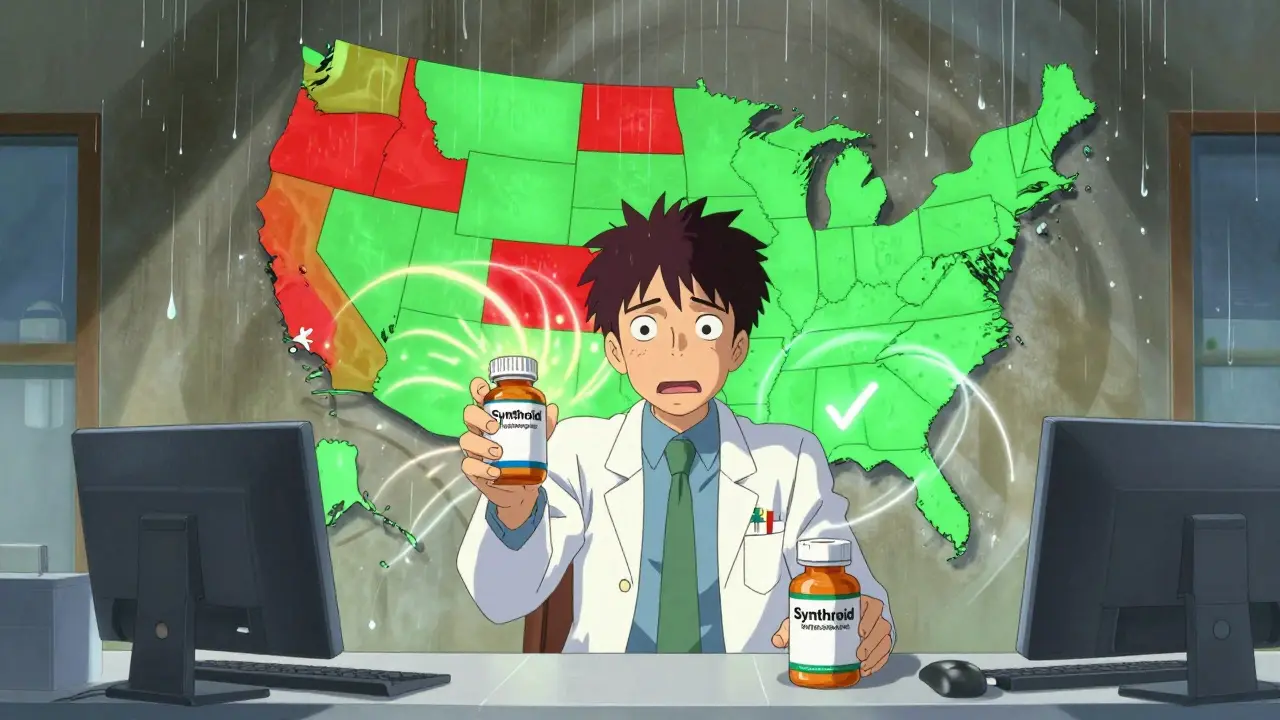
But generic substitution doesn’t happen automatically everywhere. Pharmacist responsibilities vary by state. In some places, they can swap without asking. In others, they must check with your doctor or get your consent—especially for drugs like epilepsy meds or blood thinners where even tiny differences in absorption can matter. And then there’s Medicaid generic coverage. Every state covers generics, but some make you pay more out-of-pocket, require prior approval, or block certain substitutions. It’s not just about price—it’s about access, rules, and how your state decides what’s safe and affordable.
Why does this all matter? Because generic substitution saves billions every year. It’s why your insulin, thyroid meds, or blood pressure pills cost a fraction of what they did 10 years ago. But confusion around appearance, dosage timing, or pharmacy policies can make people think generics don’t work as well. They do. The science is clear. The FDA tests them. Doctors rely on them. And if you’re on Medicaid, Medicare, or just trying to stretch your budget, you’re probably already using them—even if you didn’t realize it.
Below, you’ll find real-world guides on how generic drugs are made, when substitutions are blocked, how pharmacists are legally required to handle them, and why your pill might suddenly look different—even though it does the exact same job. Whether you’re worried about side effects, insurance rules, or just curious why your meds changed, these posts cut through the noise and give you what you need to know.