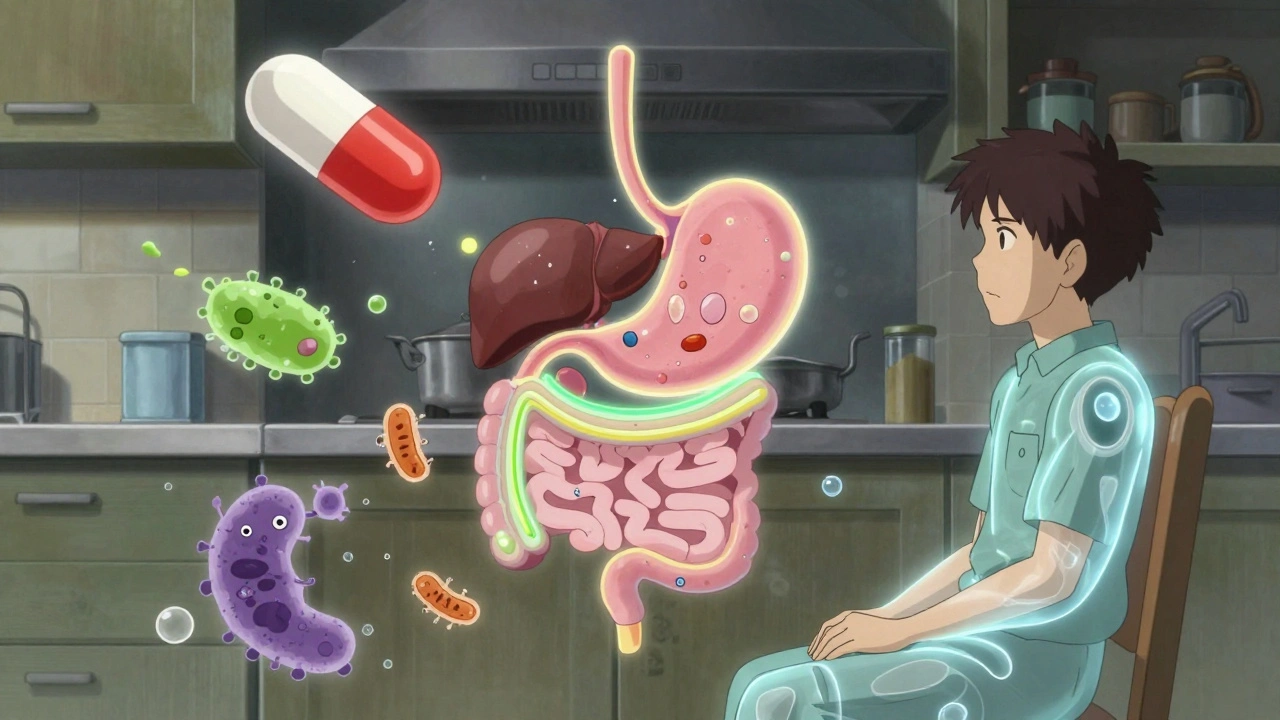
Drug Delivery Methods: How Medications Reach Your Body and Why It Matters
When you take a pill, get a shot, or use a patch, you’re using a drug delivery method, the specific way a medication is introduced into the body to achieve its intended effect. Also known as route of administration, it’s not just about how you take medicine—it’s about when, where, and how fast it works. A drug delivered through the stomach doesn’t act the same as one absorbed through the skin or under the tongue. The difference can mean the difference between relief and side effects, between a daily pill and a weekly patch, or even between life and death.
Some sublingual immunotherapy, a method where allergy tablets dissolve under the tongue to build tolerance without injections, bypass the digestive system entirely. That’s why SLIT tablets work for grass and dust mite allergies without triggering stomach upset. Then there’s transdermal patches, stick-on systems that slowly release medicine through the skin, like Emsam for depression or nicotine patches for quitting smoking. These avoid the liver’s first-pass metabolism, which can break down pills before they ever reach your bloodstream. And let’s not forget oral medications, the most common way people take drugs, from antibiotics to thyroid pills—but even here, timing matters. Rifampin speeds up how fast your liver breaks down birth control. Colchicine and certain antibiotics can build up to toxic levels if your body can’t process them right. The delivery method shapes how your body handles the drug, and that affects safety, effectiveness, and side effects.
Drug delivery isn’t just about convenience. It’s about precision. Controlled-release pills keep levels steady so you don’t get spikes and crashes. Inhalers target the lungs directly for asthma. Suppositories work when you can’t swallow. Even how a generic pill looks—color, shape, size—isn’t random; it’s a legal requirement to avoid confusion with brand names, not a sign of lower quality. The same active ingredient can behave differently depending on how it’s delivered. That’s why pharmacists check for interactions not just by drug name, but by how it enters your system. Whether you’re managing chronic pain, thyroid levels, or allergies, the delivery method is part of the treatment plan. Below, you’ll find real-world examples of how these methods impact safety, cost, and outcomes—from how to space probiotics with antibiotics to why some drugs get pulled from the market because their delivery wasn’t controlled enough.