
Tacrolimus Neurotoxicity Risk Assessor
Patient Parameters
Select all that apply:
Analysis Result
Enter your details to see how your current levels and symptoms compare to standard therapeutic targets.
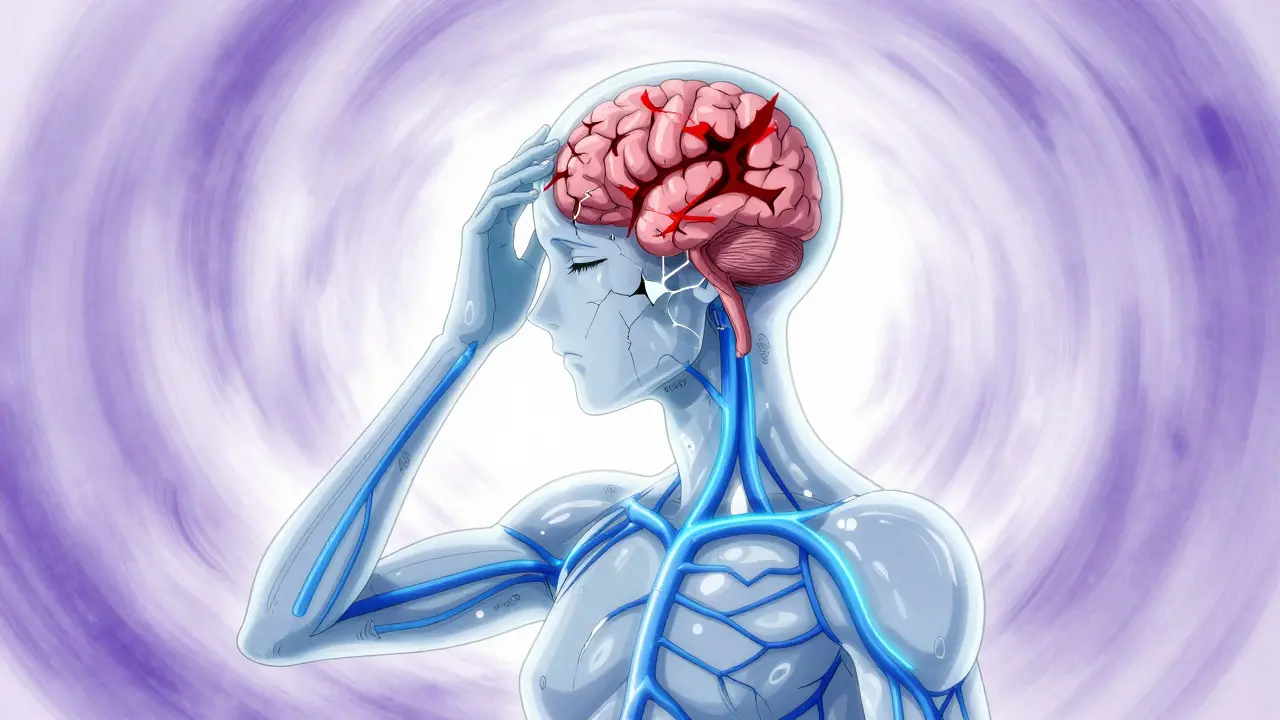
If you are taking Tacrolimus (Prograf) to protect a transplanted organ, you might be experiencing shaking hands or relentless headaches. You aren't imagining it, and you aren't alone. These are signs of tacrolimus neurotoxicity, a common cluster of neurological side effects affecting up to 40% of transplant recipients. While this medication is the gold standard for preventing organ rejection, its impact on the nervous system can significantly disrupt daily life if left unmanaged.
Understanding the link between your symptoms and your drug levels is crucial. Many patients assume that staying within the "therapeutic range" guarantees safety from side effects, but reality is more complex. This guide breaks down why these symptoms happen, how blood level targets vary by organ type, and what practical steps you can take with your medical team to find relief without risking your graft.
Why Tacrolimus Causes Neurological Symptoms
Tacrolimus is a calcineurin inhibitor immunosuppressant originally isolated from soil bacteria in 1984. It works by blocking the immune system's ability to attack new tissue. However, it doesn't just stay in your bloodstream; it crosses the blood-brain barrier, which is supposed to protect your brain from harmful substances.
When tacrolimus enters the central nervous system, it can irritate nerve cells and affect blood flow regulation in the brain. This mechanism explains why symptoms like tremors and headaches occur even when kidney function looks normal. The variability lies in individual biology. Some people have genetic differences, specifically in the CYP3A5 enzyme, which metabolizes the drug. If you are a "rapid metabolizer," your body processes the drug differently, potentially leading to higher concentrations in certain tissues despite normal blood tests.
It is also important to note that other medications can worsen these effects. Drugs like linezolid, midazolam, and certain antibiotics (carbapenems) can interact with tacrolimus, increasing the risk of seizures or worsening tremors. Always review any new prescription with your transplant coordinator.
Common Symptoms: Tremor, Headache, and Beyond
The most frequent complaint among patients is tremor. A 2023 systematic review found that 65-75% of patients experiencing neurotoxicity report shaking, usually in the hands. This isn't just a minor shiver; it can make holding utensils, writing, or buttoning shirts difficult. For many, this is the first sign that their dosage needs adjustment.
Headaches are the second most common symptom, affecting nearly half of those with neurotoxicity. These are often described as constant, crushing pressure rather than typical migraines. Patients frequently report that standard painkillers do little to help because the root cause is the drug's effect on cerebral blood vessels, not muscle tension.
Other symptoms include:
- Insomnia and Paresthesia: Trouble sleeping and tingling sensations in the extremities affect about 30-40% of affected patients.
- Weakness and Somnolence: Unusual fatigue or drowsiness occurs in 10-20% of cases.
- Cognitive Changes: In rarer instances, patients experience confusion, agitation, or difficulty speaking.
While less common, severe conditions like Posterior Reversible Encephalopathy Syndrome (PRES) can occur. PRES involves swelling in the brain due to high blood pressure and drug toxicity, requiring immediate hospitalization. Recognizing early warning signs like vision changes or severe vomiting is critical.
Blood Level Targets: One Size Does Not Fit All
A major source of confusion is the concept of "therapeutic ranges." Your target tacrolimus level depends entirely on which organ you received and how long ago you were transplanted. There is no single number that applies to everyone.
| Organ Transplanted | Early Post-Transplant Target (ng/ml) | Long-Term Maintenance Target (ng/ml) |
|---|---|---|
| Kidney | 8 - 12 | 5 - 8 |
| Liver | 5 - 10 | 4 - 6 |
| Heart | 5 - 10 | 3 - 5 |
| Lung | 8 - 12 | 5 - 8 |
Here is the tricky part: neurotoxicity can occur even when your levels are perfectly within these ranges. Studies show that approximately 30% of patients with neurotoxicity have blood levels that look "normal" on paper. This suggests that individual sensitivity plays a huge role. If you are symptomatic at 7 ng/ml, your personal tolerance threshold is lower than someone who feels fine at 10 ng/ml.
High levels (>15 ng/ml) definitely increase risk, but relying solely on the upper limit of the range can lead to unnecessary suffering. The goal is to find the lowest effective dose that prevents rejection while minimizing neurological impact.

Risk Factors That Worsen Neurotoxicity
Not everyone reacts the same way. Several factors can tip the balance toward toxicity:
- Electrolyte Imbalances: Low magnesium (hypomagnesemia) and low sodium (hyponatremia) are strongly linked to increased neurotoxicity. Magnesium depletion is common with tacrolimus use and can exacerbate tremors. Correcting magnesium levels has resolved symptoms in nearly 30% of mild cases without changing the drug dose.
- Hypertension: High blood pressure reduces the brain's ability to regulate blood flow, making it more susceptible to tacrolimus-induced vasoconstriction.
- Genetics: As mentioned, CYP3A5 genotype influences how quickly you clear the drug. Rapid metabolizers may require different dosing strategies to avoid tissue accumulation.
- Concurrent Medications: As noted earlier, drugs that inhibit CYP3A4 enzymes can raise tacrolimus levels unexpectedly.
If you have recently had your magnesium checked and it was low, ask your doctor about supplementation. This simple step can sometimes reduce tremor severity significantly.
Management Strategies: What Can Be Done?
If you are struggling with tremors or headaches, do not stop taking your medication abruptly. This could lead to acute rejection. Instead, work with your transplant team to implement one of the following evidence-based strategies:
- Dose Reduction: The most common first step is lowering the tacrolimus dose slightly. Even a small reduction (e.g., from 0.1 mg/kg to 0.07 mg/kg) can resolve symptoms within 72 hours while maintaining adequate immunosuppression.
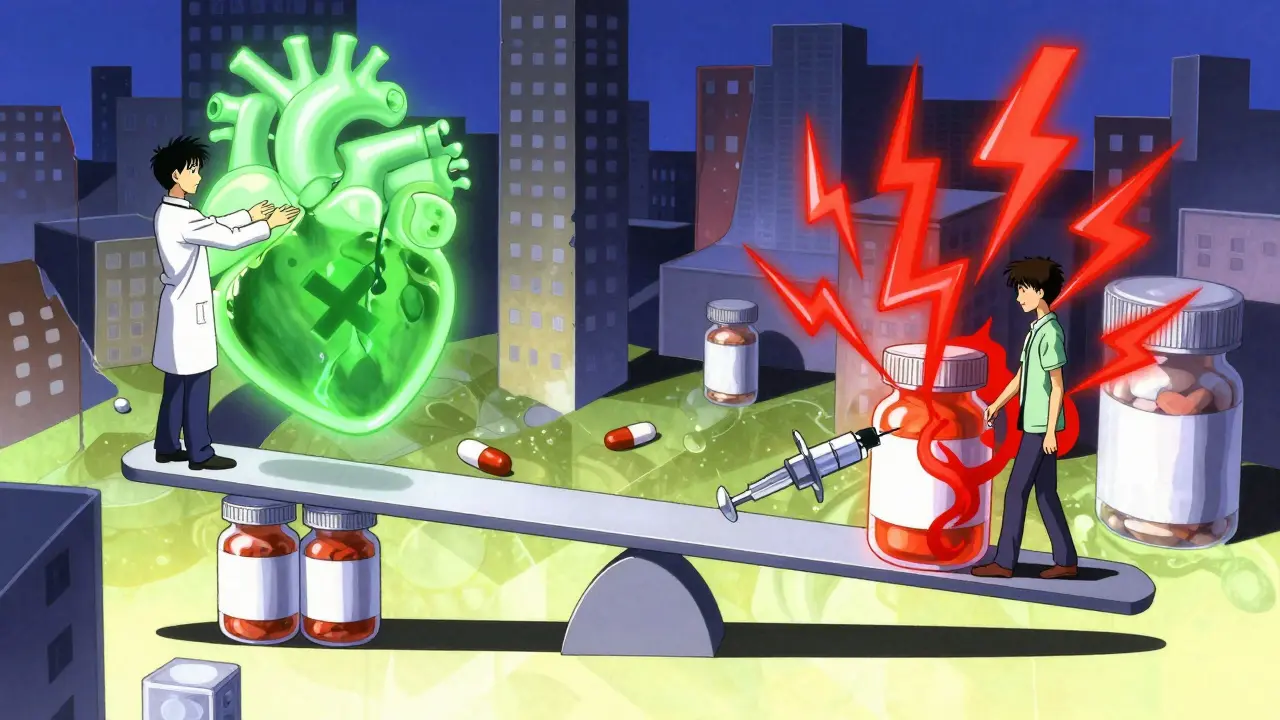
- Switching to Cyclosporine: Cyclosporine is another calcineurin inhibitor with a lower risk of neurotoxicity (about 15-20% lower). However, it carries a higher risk of organ rejection (20-30% higher) and other side effects like gum overgrowth and hair growth. This switch is typically considered only if symptoms are severe and dose reduction fails.
- Adding Adjunctive Therapy: In some cases, doctors may prescribe beta-blockers (like propranolol) to help control tremors, though this treats the symptom, not the cause.
- Monitoring Electrolytes: Aggressive management of magnesium and sodium levels can mitigate symptoms.
A 2023 study showed that 78.6% of patients with early neurotoxicity were successfully managed by either switching drugs or reducing the dose. Most saw improvement within 3 to 7 days. The key is early recognition. Don't wait weeks for your next appointment if symptoms are affecting your quality of life.
When to Seek Immediate Help
Most neurotoxicity is manageable, but some signs indicate a medical emergency. Contact your transplant center immediately if you experience:
- Sudden, severe headache unlike any you've had before
- Vision loss or blurred vision
- Confusion, disorientation, or slurred speech
- Seizures
- Weakness on one side of the body
These could be signs of PRES or stroke-like events, which require urgent imaging (MRI) and treatment to prevent permanent damage.
Living With Tacrolimus: Long-Term Outlook
For many patients, symptoms improve over time as the body adjusts and doses are tapered to maintenance levels. The highest risk period is the first 30 days post-transplant. After that, the incidence drops significantly.
Research is ongoing into next-generation immunosuppressants. New compounds like LTV-1 are being developed to cross the blood-brain barrier less easily, potentially offering the same protection against rejection with fewer neurological side effects. Until then, tacrolimus remains the cornerstone of therapy because its benefit in saving organs outweighs the risks for most people.
The best approach is proactive communication. Keep a symptom diary. Note when tremors are worst, what your blood pressure is, and any recent medication changes. This data helps your doctor tailor your regimen precisely to your needs, balancing the delicate line between protecting your organ and preserving your quality of life.
Can tacrolimus cause permanent nerve damage?
In most cases, tacrolimus-induced neurotoxicity is reversible once the dose is reduced or the drug is switched. However, rare conditions like Chronic Inflammatory Demyelinating Polyradiculoneuropathy (CIDP) can lead to longer-lasting issues if not treated promptly. Early intervention is key to preventing permanent damage.
Does drinking grapefruit juice affect tacrolimus levels?
Yes, absolutely. Grapefruit juice inhibits the CYP3A4 enzyme that breaks down tacrolimus, causing drug levels to spike unpredictably. This can trigger severe neurotoxicity. Patients are generally advised to avoid grapefruit and Seville oranges entirely while on tacrolimus.
How long does it take for tremors to go away after adjusting the dose?
Many patients report significant improvement within 72 hours of a dose reduction. Complete resolution may take several days to a week as the drug clears from your system. If symptoms persist beyond two weeks, further evaluation is needed.
Is it safe to drive if I have tacrolimus-induced tremors?
If tremors are severe enough to interfere with steering or operating pedals, driving is unsafe. Additionally, if you experience drowsiness or confusion, you should not drive. Consult your doctor for guidance on when it is safe to resume driving based on your specific symptom severity.
What is the difference between tacrolimus and cyclosporine regarding side effects?
Both are calcineurin inhibitors, but tacrolimus is more potent at preventing rejection. Cyclosporine has a lower risk of neurotoxicity (tremors/headaches) but a higher risk of hypertension, gum hyperplasia, and hirsutism (excessive hair growth). Tacrolimus is preferred for its efficacy, but cyclosporine is an alternative for those who cannot tolerate neurotoxicity.