
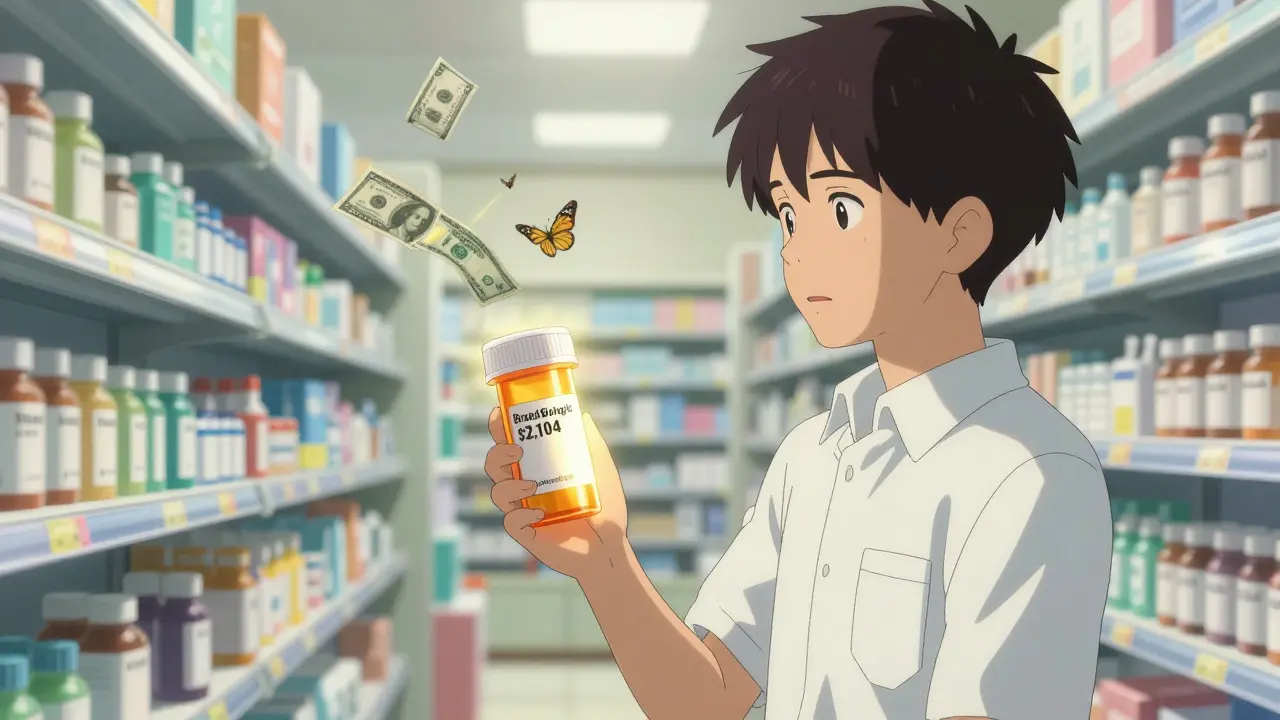
When you’re prescribed a biologic drug - say, for rheumatoid arthritis, Crohn’s disease, or psoriasis - the price tag can feel like a punch to the gut. A single month’s supply might cost $2,104. That’s not a typo. For many patients, that’s more than their rent or car payment. But there’s another option: biosimilars. These aren’t your grandfather’s generic pills. They’re complex, scientifically advanced copies of biologic drugs, and they’re cutting costs by more than half. So why aren’t more people using them?
What Exactly Is a Biosimilar?
First, let’s clear up the confusion. When people say "generic," they usually mean a cheap copy of a small-molecule drug - like ibuprofen or metformin. Those are chemically identical to the brand version. But biologics? They’re made from living cells - proteins, antibodies, complex molecules. You can’t just mix chemicals in a lab and get the same thing. That’s why we don’t call them "generics." We call them biosimilars. A biosimilar is highly similar to the original biologic. It’s not identical - no two living cells behave exactly the same - but it works the same way. The FDA requires rigorous testing to prove it’s just as safe and effective. No guessing. No shortcuts. By October 2025, the FDA had approved 76 biosimilars. That’s a lot - but still less than 10% of the 600 biologics on the U.S. market.The Price Gap: Real Numbers, Real Savings
Here’s where it gets real. In the first half of 2025, the average 30-day cost for a brand biologic was $2,104. The biosimilar version? $919. That’s a 56.3% drop. For a patient on monthly treatment, that’s over $14,000 saved every year. And that’s just at launch. Some biosimilars are even cheaper. Take Humira, the world’s best-selling drug. Before biosimilars hit the market, it cost about $80,000 per patient per year. After biosimilars arrived in 2023, prices dropped 80%. Today, Sandoz’s Hyrimoz - one of the top biosimilars - holds 14% of the U.S. market. Other biosimilars are gaining ground fast. But here’s the kicker: the brand drug itself got cheaper too. Once biosimilars entered the market, the original Humira price fell by 25% on average. That’s competition doing its job. And it’s not just Humira. Across the board, biosimilars have driven down prices for reference biologics by 25-33%.What About Out-of-Pocket Costs?
Price tags on pharmacy shelves don’t tell the whole story. What matters is what you pay at the counter. And here, biosimilars help even more. According to the CSRxP 2025 fact sheet, patients using biosimilars pay 23% less out of pocket than those on brand biologics. That’s huge for people on high-deductible plans or without good insurance. Why? Because insurers and PBMs (Pharmacy Benefit Managers) often give better coverage to biosimilars. They’re cheaper to buy, so they’re cheaper to cover. Some plans even require you to try a biosimilar first before approving the brand drug. That’s called "step therapy," and it’s becoming more common.
How Much Have Biosimilars Saved Overall?
Since 2015, biosimilars have saved the U.S. healthcare system between $36 billion and $56 billion - depending on who’s counting. The U.S. Department of Health and Human Services says $56 billion. DrugPatentWatch says $36 billion. Either way, that’s billions of dollars that didn’t go to drug companies. In 2024 alone, $20 billion was saved. And that’s just biosimilars. If you add in all traditional generics, total savings in 2023 hit $445 billion. Generics and biosimilars make up 90% of all prescriptions - but only 13% of total drug spending. That’s the power of competition.Why Aren’t More People Using Them?
If biosimilars are cheaper, safer, and just as effective - why isn’t everyone on them? The answer isn’t science. It’s business. Brand drugmakers have spent years building what experts call "patent thickets." That means filing dozens of minor patents around the original drug - covering delivery devices, dosing schedules, even packaging. Each patent adds another layer of legal protection. Biosimilar makers have to fight through them, one court case at a time. It can delay entry by years. Then there’s the rebate system. PBMs get big kickbacks from brand drugmakers if they keep their drugs on the preferred list. That creates a "rebate wall." Even if a biosimilar is cheaper, the brand drug might still be pushed because the PBM makes more money from it. And let’s not forget the cost to develop a biosimilar. It’s not cheap. Experts say it costs $100-250 million to get one approved. That’s why only about 10% of biologics expected to lose patent protection in the next decade have a biosimilar in the pipeline.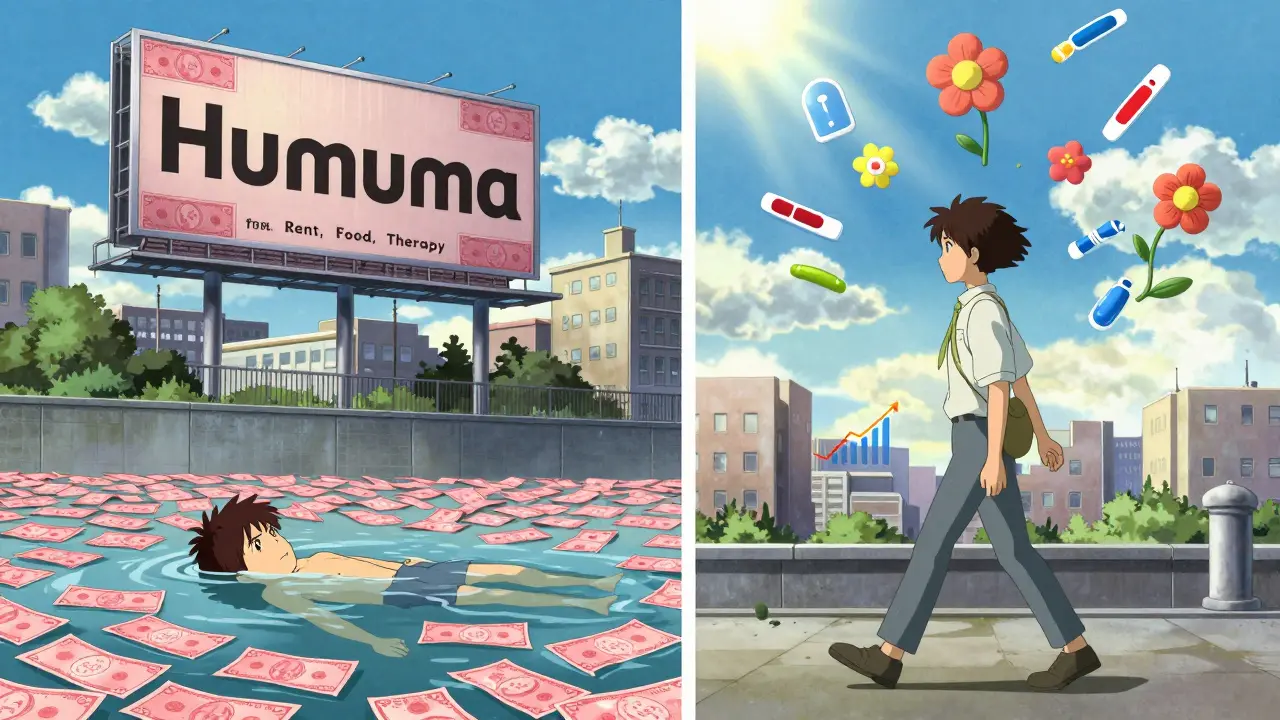
What’s Changing?
Good news: things are starting to shift. The FDA just released new draft guidance to simplify biosimilar testing. Less clinical trials. Faster approvals. Lower costs for developers. That’s a big deal. The Biden administration launched the "Biosimilars Action Plan" - a federal push to remove barriers to adoption. Health plans are being encouraged to favor biosimilars. Some states are even passing laws to make it easier for pharmacists to switch patients from brand to biosimilar without doctor approval. Industry analysts at Evaluate Pharma predict biosimilar market share will jump from 15-20% today to 35-40% by 2030. That could mean $125 billion in annual savings - more than the entire U.K. National Health Service spends on prescriptions each year.What This Means for You
If you’re taking a biologic drug right now, ask your doctor or pharmacist: "Is there a biosimilar available?" Don’t assume it’s not an option. Even if your plan doesn’t list it, ask them to check. Sometimes, switching is as simple as a new prescription. And if you’re paying out of pocket? The savings could be life-changing. A $14,000 annual cut in drug costs means you can afford your rent, your groceries, your therapy - or just breathe easier. Biosimilars aren’t magic. They’re science. And they’re working. The only thing holding them back is a system designed to protect profits - not patients.What’s Next?
More biologics are coming off patent. In the next five years, dozens more will face biosimilar competition - including key drugs for diabetes, cancer, and multiple sclerosis. The savings will pile up. But only if we push for change. The next time you hear someone say "biologics are too complex to copy," remind them: we’ve already done it. And we’ve saved billions.Are biosimilars as safe as brand biologics?
Yes. The FDA requires biosimilars to go through extensive testing to prove they’re just as safe and effective as the original biologic. They’re not "similar enough" - they’re proven to work the same way. Thousands of patients have used biosimilars for years with no increase in side effects or reduced effectiveness.
Can my pharmacist switch me to a biosimilar without asking my doctor?
It depends on your state. In over 40 states, pharmacists can substitute a biosimilar for a brand biologic without contacting the prescriber - as long as the biosimilar is FDA-approved as interchangeable. Even in states without automatic substitution, your pharmacist can still recommend switching. Always ask.
Why is Humira so much cheaper now than it was in 2022?
Because multiple biosimilars entered the market in 2023. Before that, Humira had no competition for over a decade. Once biosimilars arrived, prices dropped 80% from the original list price. The brand manufacturer also lowered its price by 25% to stay competitive. This is what happens when monopolies end.
Do insurance plans cover biosimilars better than brand biologics?
Yes. Most insurers and PBMs give biosimilars lower copays or no prior authorization requirements. Some plans even require you to try a biosimilar before approving the brand drug. This is because biosimilars cost less - so they’re less expensive for the plan to cover.
Why aren’t there biosimilars for all biologics yet?
It’s expensive and slow. Developing a biosimilar costs $100-250 million, and patent thickets delay entry. Brand companies file dozens of overlapping patents to block competitors. Only about 10% of upcoming biologics have a biosimilar in development. But with new FDA rules and government pressure, that’s changing fast.
Kacey Yates
January 30, 2026 AT 00:37Biosimilars are literally saving lives and wallets at the same time and people still act like they're some kind of dangerous experiment. The FDA doesn't approve crap. If it's approved, it works. Stop being scared of science.
Keith Oliver
January 31, 2026 AT 03:21lol at the idea that big pharma is 'evil'. They're just maximizing shareholder value. Biosimilars are a threat to their monopoly, so they fight. Welcome to capitalism. The market's doing its job - price drops, competition wins. Stop crying about it.
ryan Sifontes
February 1, 2026 AT 20:50so... biosimilars are cheaper but still expensive? what's the point again?
Laura Arnal
February 3, 2026 AT 04:59This is the kind of info we need more of!! 💪💙 Finally someone explaining this without the corporate fluff. If you're on a biologic, ASK for the biosimilar. It's not magic, it's math. And math is on your side. 🙌
DHARMAN CHELLANI
February 4, 2026 AT 12:37India makes generics cheaper than water. Why can't we do the same here? Because America loves paying extra for nothing.
Pawan Kumar
February 4, 2026 AT 17:13One must consider the epistemological implications of biosimilar adoption within the neoliberal pharmaceutical apparatus. The FDA’s approval protocol, while ostensibly rigorous, is predicated upon a reductionist paradigm that fails to account for the ontological uniqueness of biologic protein folding dynamics. The 56.3% cost reduction is statistically significant, yet epistemologically insufficient to validate therapeutic equivalence across heterogeneous patient populations.
Moreover, the rebate wall mechanism, as a structural feature of PBM incentive architecture, represents a form of institutionalized rent-seeking that distorts market signals. One must ask: Is the patient’s health being optimized, or merely the profit margin of intermediaries?
Furthermore, the notion that ‘competition drives prices down’ assumes perfect information and rational actor behavior - assumptions invalidated by behavioral economics and the documented phenomenon of physician inertia in the face of formulary pressure.
The $56 billion savings figure is misleading. It conflates list price reductions with net price after rebates. The actual outlay by insurers - and thus, ultimately, by the public - remains opaque. Transparency is the missing variable.
And yet, despite these caveats, the empirical evidence of clinical equivalence remains compelling. The real question is not whether biosimilars work - but whether our system is morally equipped to distribute their benefits equitably.
Let us not confuse cost reduction with justice. The patient who saves $14,000 annually is still one paycheck from bankruptcy. The system is not fixed. It is merely less extractive.
True reform requires dismantling patent thickets, banning rebate kickbacks, and mandating price transparency - not just swapping one branded drug for another with a slightly different label.
Until then, biosimilars are a palliative, not a cure.
Jasneet Minhas
February 4, 2026 AT 20:12India made 80% of the world’s generics. We know how to do this. But America? We pay $2000 for insulin and call it ‘innovation.’ 😒
Eli In
February 5, 2026 AT 07:31Thank you for this. I’ve been on Humira for 7 years. Switched to a biosimilar last year. No side effects. Saved $12k. My therapist said I seemed less stressed. I think it was the money. 🌈
Sheryl Dhlamini
February 6, 2026 AT 10:36So… if the brand drug dropped 25% after biosimilars came out… does that mean the original price was inflated from the start? Like… was it always this ridiculous?
Frank Declemij
February 7, 2026 AT 02:18People need to stop thinking of biosimilars as 'cheap alternatives' and start seeing them as 'evidence-based cost-effective treatments.' The data is clear. The resistance is economic, not scientific.
kabir das
February 8, 2026 AT 20:10And yet… who really benefits? The shareholders? The PBMs? The hospitals? Not the patient. Not the nurse. Not the caregiver. The system is designed to extract, not to heal. Every dollar saved is another dollar that disappears into a hedge fund. And the patient? Still waiting. Still bleeding. Still afraid.
They call it a 'savings.' I call it a delay in the inevitable collapse.
Robin Keith
February 10, 2026 AT 17:07Let’s not forget that biologics are not drugs - they’re biological phenomena. A biosimilar is like trying to clone a symphony. The notes may be the same, but the soul? The timing? The resonance? The human body responds to nuance. We are not machines. We are not data points. We are living, breathing, emotionally complex organisms. To reduce this to a cost-benefit spreadsheet is not progress - it’s dehumanization.
And yet… I’ve seen patients cry when their copay drops from $1,200 to $300. So… maybe it’s not dehumanizing. Maybe it’s mercy.
But what is mercy in a system that doesn’t value life beyond its price tag?
Doug Gray
February 11, 2026 AT 11:44the rebate wall is a classic principal-agent problem. pBM's are acting as agents for payers, but their incentives are misaligned with patient outcomes. the result is a suboptimal equilibrium where high-rebate, high-cost brands dominate despite lower net cost alternatives. this is a market failure requiring regulatory intervention.
Alex Flores Gomez
February 12, 2026 AT 21:05So the brand drug dropped 25% after biosimilars came in… so they were just overcharging the whole time? Classic. I’m shocked. 🙄