

Imagine trying to pour a cup of coffee or sign your name, only to have your hand shake rhythmically out of your control. This isn't just nervousness; for millions of people, it is the defining symptom of Essential Tremor, a chronic neurological movement disorder characterized by involuntary, rhythmic shaking that primarily affects the hands, head, and voice. It is the most common movement disorder in the world, affecting an estimated 50 to 70 million people globally. While often mistaken for Parkinson's disease, Essential Tremor has distinct causes and requires specific management strategies.
The cornerstone of medical treatment for this condition is Beta-Blocker Therapy, the use of medications originally designed for heart conditions to reduce tremor amplitude by blocking adrenaline receptors. Specifically, drugs like propranolol are the first line of defense recommended by neurologists worldwide. But how do these heart medications help with shaking hands? What are the risks, and who should avoid them? Let’s break down what you need to know about managing Essential Tremor with beta-blockers.
Understanding Essential Tremor vs. Parkinson’s
Before diving into medication, it is crucial to understand exactly what we are treating. Many patients worry they have Parkinson’s disease when they experience shaking. However, the two conditions are fundamentally different. Parkinson’s Disease typically presents with a resting tremor-shaking that happens when your limbs are relaxed-and is accompanied by stiffness and slowness of movement. In contrast, Essential Tremor is an action tremor. It occurs when you are using your muscles, such as holding a spoon, typing, or drawing a straight line.
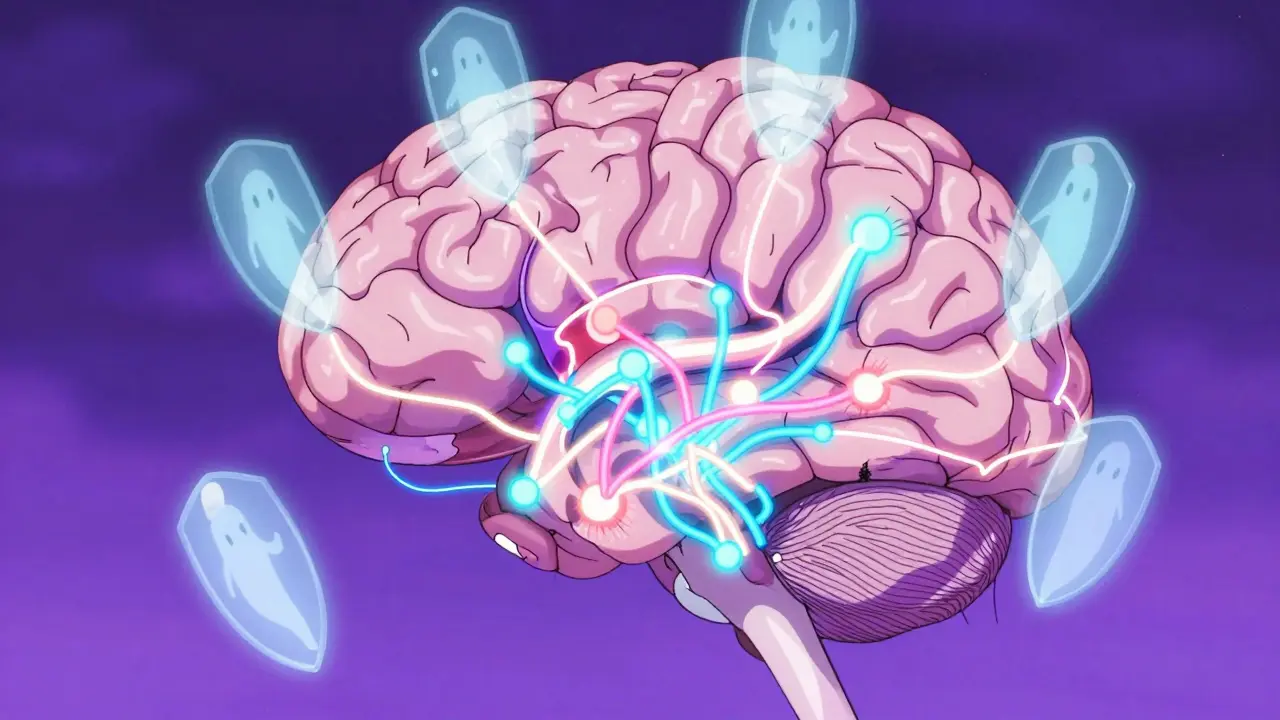
The root cause lies in the brain’s wiring. Research indicates that Essential Tremor involves dysfunction in the Cerebellar-Thalamo-Cortical Circuit, a network of brain pathways involving the cerebellum, thalamus, and cerebral cortex that coordinates voluntary movements. Post-mortem studies have shown a loss of GABAergic neurons in the cerebellum, which helps regulate motor signals. This misfiring creates the rhythmic oscillations we see as shaking. Unlike Parkinson’s, Essential Tremor does not typically involve the degeneration of dopamine-producing cells in the substantia nigra.
Diagnosis is usually clinical, meaning doctors rely on observing the tremor rather than blood tests or scans. The International Essential Tremor Foundation notes that the condition often runs in families, with 50% to 70% of cases having a genetic component. If your parents had shaky hands, your risk increases significantly. The condition often appears in two age peaks: between 10 and 20 years old, and again between 50 and 60 years old.
Why Beta-Blockers Work for Tremors
You might wonder why a medication used for high blood pressure would help with hand shaking. The connection was discovered accidentally in the 1960s when researchers noticed patients taking propranolol for hypertension experienced reduced tremors. Today, we know that Propranolol, a non-selective beta-adrenergic antagonist widely used as a first-line treatment for essential tremor works by blocking beta-adrenergic receptors. These receptors respond to adrenaline (epinephrine), a hormone that prepares the body for 'fight or flight.'
When adrenaline binds to these receptors, it can amplify muscle activity and cause shaking. By blocking these receptors, beta-blockers dampen this effect. While the exact mechanism for Essential Tremor is still debated, evidence suggests that propranolol may work through central beta-2 adrenergic receptor blockade in the brain, not just peripheral effects in the muscles. Studies from the National Institutes of Health have demonstrated that metoprolol, another beta-blocker, reduces tremor magnitude by nearly 47%, while propranolol achieves around 55% reduction in some controlled trials.
It is important to note that propranolol is used 'off-label' for Essential Tremor in many regions, meaning it was approved for heart conditions but is clinically accepted for tremors based on extensive research. Primidone is the other primary first-line drug, but it carries a formal FDA indication for ET, whereas propranolol relies on its widespread efficacy data and inclusion in major clinical guidelines.
Dosing and Titration: Starting Slowly
One of the biggest mistakes patients make is expecting immediate results or starting at a high dose. Beta-blockers require careful titration. Neurologists typically start with a low dose of propranolol, such as 10 to 20 mg twice daily. The goal is to find the lowest effective dose that minimizes side effects.
The therapeutic window for propranolol in Essential Tremor is broad, ranging from 60 mg to 320 mg daily in divided doses. Optimal blood levels are generally considered to be between 30 and 100 ng/mL. Because the drug has a half-life of 25 to 30 hours for immediate-release formulations, steady-state levels take time to build. Extended-release versions are often preferred because they maintain stable therapeutic levels for 24 hours, reducing the peaks and troughs that can cause dizziness or fatigue.
- Week 1-2: Start with 10-20 mg twice daily. Monitor for dizziness or lightheadedness.
- Week 3-4: Increase by 20-40 mg per day if tolerated and if tremor persists.
- Ongoing: Adjust until optimal tremor control is achieved or side effects become limiting.
Patience is key. It can take 4 to 8 weeks to find the right balance. During this period, monitoring your heart rate and blood pressure at home is highly recommended. Your target systolic blood pressure should stay above 100 mmHg, and your resting heart rate should remain above 50 beats per minute.
Safety Profile: Who Should Avoid Beta-Blockers?
Beta-blockers are not suitable for everyone. They carry specific contraindications that must be respected to avoid serious health complications. The most critical warning applies to individuals with asthma or severe chronic obstructive pulmonary disease (COPD).
Non-selective beta-blockers like propranolol block beta-2 receptors in the lungs, which can trigger bronchospasm-a tightening of the airways. FDA labeling highlights a significant risk here, making asthma an absolute contraindication. If you have reactive airway disease, your doctor will likely steer you toward alternative treatments like primidone or topiramate.
Other groups who need caution include:
- Patients with Bradycardia: If your resting heart rate is already below 50 bpm, beta-blockers can slow it further, leading to fainting or cardiac issues.
- Those with Heart Block: Certain electrical conduction problems in the heart can be worsened by beta-blockade.
- People with Decompensated Heart Failure: While beta-blockers are used in stable heart failure, they can be dangerous if the condition is acute or uncontrolled.
- Elderly Patients: Older adults are more sensitive to the hypotensive effects of these drugs. A study published in JAMA Internal Medicine found a 3.2-fold increased fall risk in elderly patients taking doses greater than 120 mg/day due to orthostatic hypotension (a drop in blood pressure upon standing).
Abrupt discontinuation of beta-blockers is also dangerous. Stopping suddenly can cause a rebound effect, leading to tachycardia (rapid heart rate) and, in rare cases, myocardial infarction. Always taper off under medical supervision.
Comparing Treatment Options
While propranolol is a gold standard, it is not the only option. Understanding how it compares to other therapies helps in making informed decisions with your healthcare provider.
| Treatment | Mechanism | Efficacy (Tremor Reduction) | Common Side Effects | Discontinuation Rate |
|---|---|---|---|---|
| Propranolol | Beta-adrenergic blocker | 50-60% | Fatigue, dizziness, bradycardia | ~22% |
| Primidone | Anticonvulsant/Anti-seizure | 60-70% | Drowsiness, nausea, cognitive fog | ~38% |
| Topiramate | Anticonvulsant | 33-50% | Cognitive impairment, weight loss | 30-40% |
| Gabapentin | Calcium channel modulator | Variable (22-45%) | Dizziness, sedation | Low-Moderate |
| Deep Brain Stimulation (DBS) | Surgical neuromodulation | 70-90% | Surgical risks, infection, hardware issues | Low (after recovery) |
As the table shows, propranolol offers a good balance of efficacy and tolerability. Primidone is slightly more effective for some but has a higher dropout rate due to cognitive side effects like 'brain fog.' Topiramate is often used as a second-line agent but is controversial in older adults due to its impact on memory and word-finding skills. For severe, refractory cases where medications fail, Deep Brain Stimulation (DBS) or Focused Ultrasound Thalamotomy are surgical options that provide significant relief but carry inherent procedural risks.

Living with Essential Tremor: Practical Tips
Medication is only part of the equation. Lifestyle adjustments can significantly improve quality of life. Here are some practical strategies that many patients find helpful:
- Weighted Utensils: Using heavier spoons, forks, and pens can dampen the tremor amplitude by increasing inertia. This simple physical trick often provides immediate relief during meals.
- Avoid Triggers: Caffeine, stress, and fatigue are known to exacerbate tremors. Reducing caffeine intake and prioritizing sleep can lead to noticeable improvements.
- Alcohol Caution: Some patients report that small amounts of alcohol temporarily reduce tremors. However, this effect is short-lived, and withdrawal can cause rebound worsening. Relying on alcohol is not a sustainable or safe strategy.
- Exercise: Recent trials suggest that combining propranolol with aerobic exercise may enhance tremor reduction. Regular physical activity also improves overall cardiovascular health, which supports better tolerance to beta-blockers.
If you are struggling with side effects like fatigue, ask your doctor about switching to an extended-release formulation or adjusting the timing of your dose. Taking the larger portion of your daily dose in the evening might help you sleep through the peak sedative effects.
Future Directions in Treatment
The landscape of Essential Tremor treatment is evolving. While beta-blockers have been the standard for decades, new technologies are emerging. Focused Ultrasound Thalamotomy, approved by the FDA in recent years, offers a non-invasive surgical option that uses sound waves to create a lesion in the thalamus, effectively silencing the tremor signal. Early data shows up to 47% improvement at three months post-procedure.
Gene therapy is also on the horizon. Phase 3 trials for agents like NBIb-1817 are exploring ways to modify the underlying neural circuits responsible for tremor. Additionally, there is a growing emphasis on disease-modifying therapies rather than just symptomatic relief. Researchers are investigating targets within the cerebellar degeneration pathway to potentially halt progression.
For now, however, beta-blockers remain the most accessible and proven tool. With proper dosing, monitoring, and lifestyle support, many people with Essential Tremor manage their symptoms effectively and maintain active, independent lives.
Is propranolol FDA-approved for essential tremor?
Technically, no. Propranolol is FDA-approved for hypertension, angina, and migraine prevention. Its use for essential tremor is 'off-label,' meaning it is not the primary indication listed on the package insert. However, it is widely recognized as a first-line treatment in clinical practice guidelines from organizations like the American Academy of Neurology due to decades of robust efficacy data.
Can I take beta-blockers if I have asthma?
Generally, no. Non-selective beta-blockers like propranolol can block beta-2 receptors in the lungs, leading to bronchoconstriction and potentially severe asthma attacks. This is considered an absolute contraindication. If you have mild asthma or COPD, discuss cardioselective beta-blockers (like atenolol or metoprolol) with your doctor, though even these carry some risk and require careful monitoring.
How long does it take for propranolol to work for tremors?
You may notice some reduction in tremor within days of starting the medication, but finding the optimal dose often takes 4 to 8 weeks. Doctors typically start with a low dose and gradually increase it weekly to minimize side effects like dizziness and fatigue. Patience during this titration phase is crucial for success.
What are the most common side effects of beta-blocker therapy for ET?
The most frequent side effects include fatigue, dizziness (especially upon standing), cold hands and feet, and a slower heart rate (bradycardia). Sexual dysfunction and vivid dreams are also reported by some users. Most side effects are dose-dependent, meaning lowering the dose or switching to an extended-release formulation can often mitigate them.
Is essential tremor the same as Parkinson's disease?
No, they are distinct conditions. Essential tremor is an action tremor that occurs during movement and often affects both hands symmetrically. It is frequently hereditary. Parkinson's disease is a resting tremor that usually starts on one side of the body and is accompanied by other symptoms like rigidity, bradykinesia (slowness), and balance issues. Parkinson's involves dopamine depletion, while essential tremor involves cerebellar circuit dysfunction.