
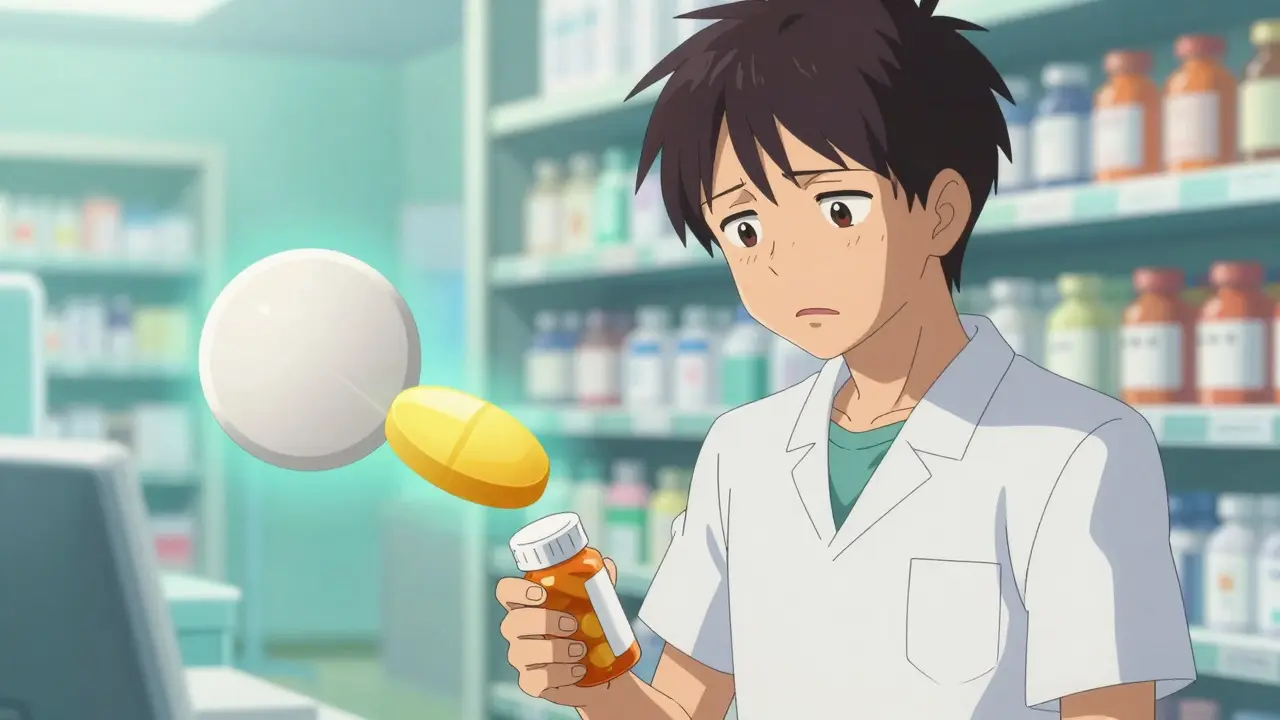
Imagine walking into a pharmacy and picking up a pill that looks completely different from the one you've taken for years. It's a different color, a different shape, and has a name you've never heard of. For many people, this isn't just a moment of confusion-it's a reason to stop taking their life-saving medication entirely. This happens because of a massive gap in health literacy is the capacity to obtain, process, and understand basic health information and services to make appropriate health decisions . When we talk about health literacy, we aren't just talking about the ability to read a pamphlet; we're talking about whether a person understands that a cheaper, generic version of a drug is just as effective as the expensive brand name.
The stakes are incredibly high. About 80 million American adults struggle with limited health literacy, which creates a ripple effect across the entire healthcare system. It's not just a "misunderstanding"-it's a safety risk. People with low health literacy are 2.5 times more likely to make medication errors and 32% more likely to end up in the hospital because they didn't understand how to take their meds. When you add the confusion surrounding generic drugs into the mix, the danger grows.
The Psychology of the Brand: Why Generics Feel "Less Than"
Why do we trust a brand-name drug more than a generic? It often comes down to brand psychology and a lack of clear information. Many patients believe that if a drug is cheaper, it must be lower quality or less powerful. In reality, the FDA (Food and Drug Administration) requires generics to have the same quality, strength, purity, and stability as their brand-name counterparts.
Despite these regulations, the fear is real. Research shows that 68% of patients worry about the effectiveness of generics, compared to only 29% for brand names. This mistrust often stems from the fact that generics can look different. A patient might see a white round pill replaced by a yellow oval pill and assume it's a different medication entirely. This visual mismatch leads to a loss of trust in the treatment, even when the active ingredient is identical.
| Attribute | Brand-Name Drug | Generic Drug |
|---|---|---|
| Active Ingredient | Identical | Identical |
| Inactive Ingredients | Varies by manufacturer | May differ (fillers, dyes) |
| Appearance | Consistent brand look | Varies by manufacturer |
| Cost | Higher (due to R&D/Marketing) | Significantly Lower |
| FDA Approval | Required | Required (Bioequivalence) |
Understanding Therapeutic Equivalence
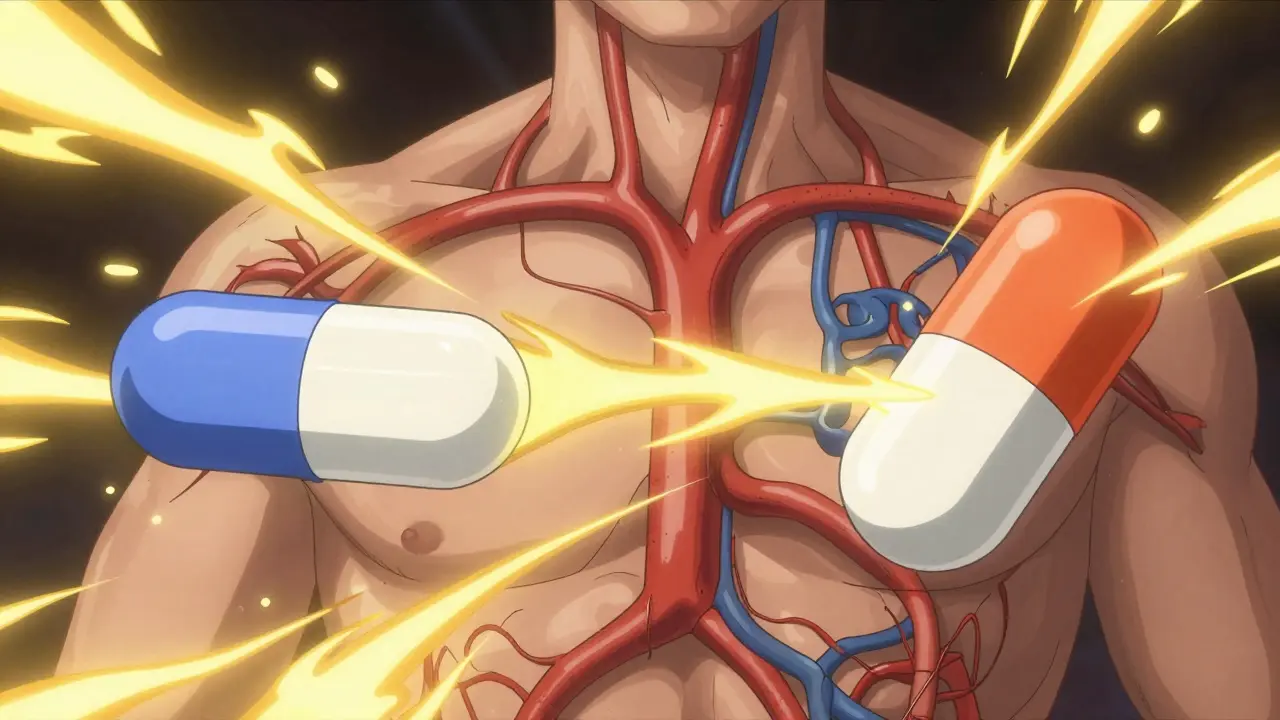
To close the knowledge gap, we have to demystify a term called bioequivalence is the property wherein two drugs have the same bioavailability, meaning they release the active ingredient into the bloodstream at the same rate and to the same extent . Essentially, if a generic is bioequivalent, it does the exact same job in your body as the brand name.
However, the confusion often lies in the "inactive" ingredients. While the medicine itself is the same, the binders, fillers, and dyes can differ. For most people, this doesn't matter. But for some, a different dye or filler can cause a mild reaction or change how the pill tastes. When a patient isn't told that these inactive ingredients might change, they may perceive a side effect as a sign that the generic drug "isn't working" or is "toxic," leading them to stop the therapy.
This lack of understanding has a direct impact on medication adherence is the extent to which a patient takes their medications as prescribed by their healthcare provider . Studies have shown that inadequate health literacy correlates with 23% lower adherence rates. When patients don't trust their generic, they don't take it. This doesn't just hurt the patient; it costs employers and health plans about $1.2 billion a year in wasted costs from unnecessary brand-name prescriptions and preventable complications.
The Literacy Divide: Who is Most at Risk?
Not everyone faces the same hurdles. Health literacy isn't just about reading level; it's about access and environment. There is a significant divide that hits vulnerable populations the hardest. Immigrants, people with limited English proficiency, elderly patients, and those from lower socioeconomic backgrounds are disproportionately affected.
For example, a patient who doesn't speak English as their first language is 3.2 times more likely to misunderstand generic medication information. If the pharmacist's explanation is rushed or uses jargon, the patient may leave the store feeling anxious and unsure. This is where organizational health literacy comes in. It's not just the patient's job to understand; it's the organization's job to make the information easy to find and use equitably.
Digital tools are helping, but they can also create a new gap. Digital health literacy is the ability to seek, find, and appraise health information from electronic sources . While some patients use apps to identify their generic pills visually, others don't have a smartphone or a reliable internet connection, leaving them even further behind in the loop of informed care.
Practical Strategies for Closing the Gap
How do we actually fix this? It starts with moving away from the "here is your pill, take it twice a day" approach. Healthcare providers and pharmacists need to use specific, evidence-backed communication techniques.
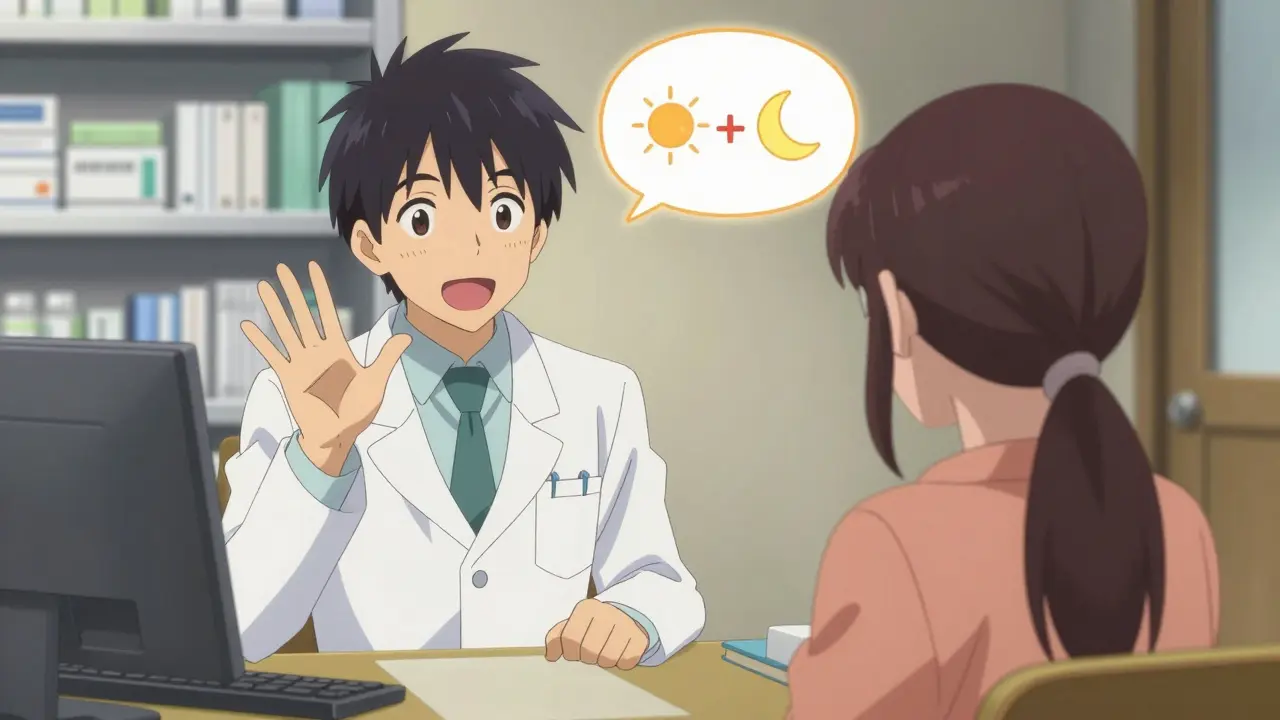
- The Teach-Back Method: Instead of asking "Do you understand?" (to which most people just say "yes"), the provider asks the patient to explain the instructions back in their own words. This method can reduce misunderstandings by 42%.
- Visual Comparison Aids: Showing a patient the brand-name pill and the generic pill side-by-side while explaining that only the "wrapper" (inactive ingredients) is different can break the psychological barrier of the visual change.
- Plain Language Materials: Replacing medical jargon with simple terms. Instead of saying "this drug is bioequivalent," a provider might say, "this is the same medicine, just made by a different company for a lower price."
- Universal Scheduling: Using clear, visual medication schedules rather than complex text-based instructions.
These interventions work. Organizations that simplified their generic medication instructions saw a 29% reduction in medication errors. When patients receive clear, health-literate explanations, they are 83% more likely to stick to their medication regimen.
The Future of Medication Literacy
We are seeing a shift toward more systemic solutions. The CDC (Centers for Disease Control and Prevention) has integrated improving the understanding of medication alternatives into its Health Literacy Action Plan. We are also seeing the rise of value-based care models where health literacy assessments are becoming a requirement for plan evaluations.
One of the most promising developments is the integration of literacy assessments directly into electronic health records. Imagine a system that flags a patient as having low health literacy and automatically prompts the pharmacist to spend extra time using the Teach-Back method or to print out a visual guide for their generic medications. Pilot programs for this approach have already shown a 31% improvement in patient understanding.
Are generic drugs really the same as brand-name drugs?
Yes. The FDA requires generic medications to have the same active ingredients, strength, quality, and performance as the brand-name version. They are designed to produce the same clinical effect in the body, meaning they are therapeutically equivalent.
Why does my generic medication look different from the brand name?
Generic manufacturers are not allowed to make their pills look exactly like the brand-name version due to trademark laws. While the active medicine is the same, the inactive ingredients-like colors, fillers, and binders-can vary, leading to different shapes or colors.
Can inactive ingredients in generics cause different side effects?
In rare cases, yes. While the active medicine is identical, some people may be sensitive or allergic to a specific dye or filler used in a generic version that wasn't in the brand-name version. If you notice a change in how you feel, you should contact your pharmacist.
What is the "Teach-Back" method and how does it help?
The Teach-Back method is a communication technique where a healthcare provider asks the patient to explain the medication instructions back to them. This ensures the patient actually understands the information rather than just nodding along, significantly reducing medication errors.
How can I tell if I have low health literacy?
If you often find it difficult to understand medication labels, struggle with dosage calculations, or feel overwhelmed by the terminology used by your doctor, you may have gaps in your health literacy. This is very common and can be managed by asking your provider for "plain language" explanations and visual aids.
Next Steps for Patients and Providers
If you're a patient and you're unsure about a generic switch, don't just stop taking the medication. Ask your pharmacist, "Can you show me exactly how this is the same as my old pill?" or "What are the differences in the inactive ingredients?"
For providers, the goal is to move from providing information to ensuring understanding. Start by assuming that your patients may struggle with the labels. Use visual aids and the Teach-Back method as a standard part of every generic substitution. By closing these small knowledge gaps, we can prevent massive healthcare failures and save lives.
Stephen Johnson
April 28, 2026 AT 13:06It is interesting how much of our health depends on a simple psychological shift in how we perceive a pill's appearance. The intersection of visual identity and medical trust is a deep rabbit hole.
Dale Kensok
April 30, 2026 AT 08:31The cognitive dissonance experienced by patients during a generic switch is merely a symptom of a systemic failure in semiotic communication. We are dealing with a heuristic bias where the patient conflates the aesthetic superstructure of the brand with its pharmacological efficacy. The actual bioequivalence is an ontological certainty, yet the perceived value is diminished by the lack of an institutionalized framework for managing these perceptual variances. It's honestly embarrassing that we have to rely on "plain language" when a more rigorous epistemological approach to patient education would eliminate the ambiguity entirely. The inefficiency of the current healthcare paradigm is a testament to the triumph of marketing over actual medical literacy.
Kevin Taggart
May 2, 2026 AT 03:04i wonder if the colors actually make a difrence in how people feel :)
Ryan Wilson
May 2, 2026 AT 17:39Absolute garbage that the FDA lets these generic companies just slap some random dye on a pill and call it a day. It's a predatory game where the poor get the neon-colored leftovers while the rich pay for the "pure" brand stuff. This whole system is a colossal dumpster fire of corporate greed masked as "affordability." It's frankly disgusting that we're talking about "health literacy" as a fix when the real issue is that the pharmaceutical industry is a parasitic entity sucking the life out of the American public. Get your act together or stop pretending you care about the patients.
Angela Cook
May 4, 2026 AT 03:04America's medical system is the best in the world and if people can't understand their meds, they need to step up and learn how to read a label! We shouldn't be babying people with "visual aids" when they should be taking pride in their own health literacy!
Abhishek Charan
May 5, 2026 AT 14:18Actually!!! The "Teach-Back" method is simply an admission of failure by the medical establishment!!! 🙄 Why must we treat patients like toddlers who cannot comprehend simple instructions??? 🤦♂️ It is an absolute travesty that this is considered a "solution" when the real problem is the lack of intellectual rigor in modern pharmacy!!! 💊✨
Aubrey Johnson
May 5, 2026 AT 15:28The Teach-Back method is just basic common sense. It is a shame that many providers find it too tedious to implement.
Sharon Mathew
May 6, 2026 AT 04:12Oh please! The idea that a generic is "identical" is such a convenient lie told by insurance companies to save a few pennies! I've felt the difference myself, and it's absolutely horrifying how they dismiss patient experiences as just "psychological"! It's a complete betrayal of trust!
Nigel Gosling
May 6, 2026 AT 23:42What a tragedy we live in an age where a man cannot simply trust the shape of his medicine. We have traded the soul of healing for a spreadsheet of cost-benefit analyses. It is a moral bankruptcy of the highest order to reduce a human life to a "bioequivalence" statistic. The sheer audacity of thinking an app can replace the sacred bond between a healer and the healed is simply laughable. We are drifting into a void of sterile, automated care where the human element is nothing more than a nuisance to be "managed" by a health literacy plan. Truly a dark era for the arts of medicine.
lalit adesara
May 8, 2026 AT 19:05Western medicine is failing. True wisdom comes from understanding, not labels. Generic or brand, both are illusions.
Steve Grayson
May 9, 2026 AT 00:52I think the focus on organizational health literacy is a great point. It really shifts the burden from the patient to the system, which is where the change needs to happen for it to be sustainable.
Trish Perry
May 9, 2026 AT 11:44It's kind of wild how much we trust a logo over a chemical compound. We're basically conditioned from birth to think brands equal quality, so it makes sense that this carries over into our meds. Just takes a bit of unlearning.
Kali Murray
May 9, 2026 AT 18:28just glad there are cheaper options out there 🌸 keep it simple and just ask the pharmacist if you're worried ✨