

Antihistamine Fall Risk Assessment Tool
This tool helps estimate your potential fall risk based on current medications and lifestyle factors. It is designed for educational purposes only and should not replace professional medical advice.
Personal Information
Current Medications
Check any medications you currently take regularly:
Home Environment
Does your home have these safety features?
Your Risk Assessment
Complete the form and click "Calculate My Risk" to see your personalized assessment
Imagine you are reaching for a glass of water at 2 AM. Your eyes are heavy, your legs feel like they’re moving through thick mud, and the floor seems to tilt slightly under your feet. You stumble. That momentary lapse in balance isn’t just bad luck; it might be the side effect of an over-the-counter allergy pill you took hours earlier. For millions of older adults, this scenario is a terrifyingly common reality. Sedating antihistamines, those familiar remedies for hay fever or sleeplessness, carry a hidden danger that grows sharper with age.
We often treat these medications as harmless household staples. But for anyone over 65, drugs like diphenhydramine (Benadryl) can significantly disrupt the delicate systems that keep us upright. The Centers for Disease Control and Prevention (CDC) reports that more than one in four older adults falls each year, resulting in approximately 36 million falls annually among U.S. adults aged 65 and older. Of these, 32,000 result in death. While many factors contribute to this statistic, medication side effects-specifically drowsiness, dizziness, and confusion-are major, preventable culprits.
The Hidden Danger: How First-Generation Antihistamines Affect the Brain
To understand why these pills are risky, we need to look at how they work. First-generation antihistamines are older allergy medications developed in the 1940s that easily cross the blood-brain barrier, causing central nervous system depression. Common names include diphenhydramine, chlorpheniramine, and brompheniramine. Unlike newer options, these drugs do not stay confined to your nasal passages or skin. They travel freely into the brain.
Once inside the brain, they block histamine receptors but also interfere with acetylcholine, a neurotransmitter crucial for memory, attention, and muscle coordination. This interference leads to sedation, slowed reaction times, and impaired balance. In younger people, this might mean feeling a bit groggy. In older adults, whose bodies metabolize drugs more slowly, the effects are amplified and prolonged. Diphenhydramine, for example, has a half-life of 8.5 hours in healthy young adults but extends to 13.5 hours in older adults. This means the drug stays active in your system much longer, keeping you vulnerable to falls well into the next day.
| Feature | First-Generation (e.g., Diphenhydramine) | Second-Generation (e.g., Fexofenadine) |
|---|---|---|
| Blood-Brain Barrier Penetration | High (Crosses easily) | Low (Minimal crossing) |
| Sedation Risk | High (15-20% of users) | Low (6-14% of users) |
| Anticholinergic Burden Score | 3-4 (Strong activity) | 0-1 (Weak/No activity) |
| Fall Risk Increase | 54% increased risk of injurious falls | No significant increase |
| Common Side Effects | Drowsiness, dry mouth, blurred vision, constipation | Headache, mild nausea |
A systematic review published in *Osteoporosis International* found that using first-generation antihistamines is associated with a 54% increased risk of injurious falls or fractures among elderly patients. The fracture risk specifically jumped by 43%. These numbers are not abstract statistics; they represent broken hips, head injuries, and lost independence. The American Geriatrics Society explicitly lists these drugs as “potentially inappropriate” for older patients in their Beers Criteria due to these substantial risks.
Why Do Doctors Still Prescribe Them?
If the risks are so clear, why are these medications still on shelves and in prescription pads? Part of the answer lies in habit and accessibility. First-generation antihistamines have been around for decades. Many older adults grew up using them and trust their effectiveness. Furthermore, they are widely available over-the-counter without a prescription, meaning people often self-medicate without discussing the risks with a healthcare provider.
There is also a disconnect in prescribing practices. A 2019 study in the *British Journal of Dermatology* revealed that dermatologists prescribed first-generation antihistamines to older adults at similar rates as to younger adults (12.7% vs. 13.2% of visits). This “one-size-fits-all” approach ignores the physiological changes that come with aging. Additionally, some clinicians may prescribe them off-label for insomnia because they are cheap and readily available, despite strong recommendations against this practice.
However, awareness is shifting. Recent updates to the Beers Criteria in 2025 strengthened warnings against these drugs. The CDC’s STEADI (Stopping Elderly Accidents, Deaths & Injuries) initiative now specifically identifies antihistamines as high-risk medications linked to falls. Healthcare providers are increasingly encouraged to screen for these drugs during routine check-ups.
Safe Alternatives: Switching to Second-Generation Options
The good news is that you don’t have to suffer from allergies or sleeplessness while risking your safety. Modern medicine offers safer alternatives. Second-generation antihistamines are newer allergy medications designed to minimize central nervous system effects by avoiding the blood-brain barrier. Examples include fexofenadine (Allegra), loratadine (Claritin), and cetirizine (Zyrtec).
These drugs target peripheral H1 receptors involved in allergic reactions without significantly entering the brain. As a result, they cause far less drowsiness and cognitive impairment. A 2025 study by Marmor et al. found that second-generation antihistamines showed no significant increase in fall risk compared to non-users (HR 1.04, 95% CI 0.91-1.18). This makes them a much safer choice for older adults who need relief from seasonal allergies or chronic hives.
Even among second-generation options, there are nuances. Cetirizine, for instance, has been shown to cause mild sedative effects in about 14% of older adults, whereas fexofenadine causes drowsiness in only 6%. If you are highly sensitive to medications, fexofenadine or loratadine might be the best starting points. Always consult your doctor or pharmacist before switching medications to ensure the new option doesn’t interact with other drugs you take.

Non-Pharmacological Strategies for Allergy and Sleep Relief
Before reaching for any pill, consider whether medication is truly necessary. Many older adults use antihistamines for two main reasons: allergy symptoms and insomnia. Both issues can often be managed effectively without drugs, eliminating the fall risk entirely.
For allergies, environmental control is powerful. Nasal saline irrigation can reduce allergy symptoms by 35-40%, according to a 2022 study in *JAMA Otolaryngology*. It’s a simple, drug-free way to flush out allergens from your nasal passages. Using allergen-proof bedding covers can reduce exposure to dust mites by 83%, a major trigger for indoor allergies. Installing HEPA air filters in your home can remove 99.97% of airborne allergens, creating a cleaner breathing environment.
If you are using antihistamines primarily for sleep, it is time to rethink your strategy. Diphenhydramine is marketed as a sleep aid, but its strong anticholinergic effects can disrupt sleep architecture and lead to daytime grogginess. The American Geriatric Society recommends avoiding diphenhydramine for insomnia in older adults. Instead, focus on sleep hygiene: maintain a consistent sleep schedule, limit caffeine after noon, and create a cool, dark, quiet bedroom environment. Cognitive behavioral therapy for insomnia (CBT-I) is considered the gold standard treatment and has long-lasting benefits without side effects.
Practical Steps to Reduce Fall Risk at Home
While managing medications is crucial, modifying your living environment adds another layer of protection. Falls often happen when multiple risk factors align-a sedating drug, poor lighting, and a tripping hazard. Addressing the environment can compensate for minor medication-related impairments.
- Improve Lighting: Install brighter bulbs in hallways, staircases, and bathrooms. Nightlights in bedrooms and paths to the bathroom can prevent missteps during nighttime trips. Studies show improved lighting can reduce falls by 32%.
- Install Grab Bars: Secure grab bars in the shower, bathtub, and near the toilet. These simple fixtures can reduce fall risk by 28% by providing stability when standing up or stepping out.
- Remove Tripping Hazards: Clear clutter from walkways, secure loose rugs with non-slip backing, and keep cords tucked away. Ensure frequently used items are within easy reach so you don’t need to climb or stretch excessively.
- Wear Proper Footwear: Avoid walking in socks or slippers with smooth soles. Wear shoes with firm, non-slip soles even indoors.
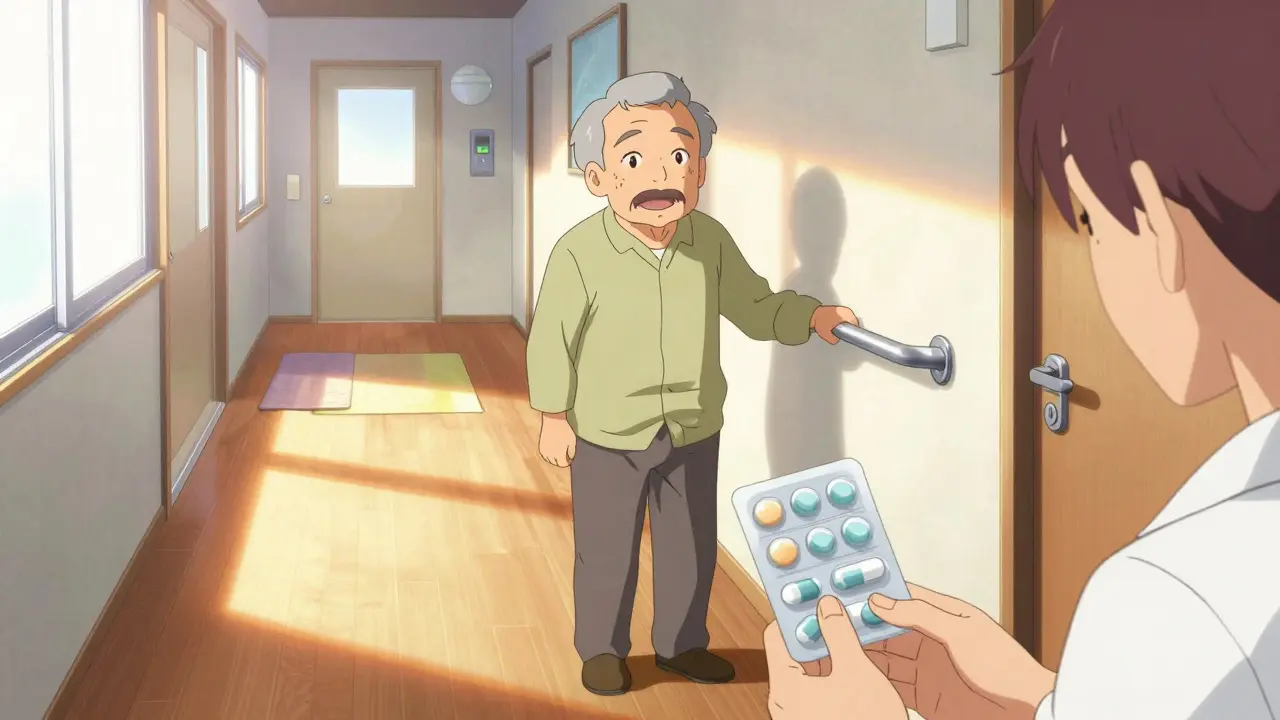
The Role of Pharmacists and Regular Medication Reviews
You don’t have to navigate this alone. Pharmacists are invaluable resources for medication management. A comprehensive medication review involves looking at every prescription, over-the-counter drug, and supplement you take. This process can identify dangerous interactions and unnecessary medications.
Studies show that pharmacist-led medication reviews can reduce fall risk by 26% in older adults. Consider scheduling a “brown bag medication review” at your local pharmacy. Bring all your medications in a bag, and ask the pharmacist to assess them for fall risks, duplications, and interactions. They can help you taper off high-risk drugs safely and suggest appropriate alternatives.
Your primary care provider should also review your medications at least annually. During these visits, ask specific questions:
- “Are any of my medications increasing my risk of falling?”
- “Can I switch to a safer alternative for my allergies or sleep?”
- “Is the dose I’m taking the lowest effective amount?”
Deprescribing-the careful reduction or discontinuation of unnecessary medications-is a growing field in geriatric care. It requires patience and monitoring, as stopping a long-term medication can sometimes cause withdrawal symptoms or symptom recurrence. Work with your healthcare team to create a gradual plan rather than stopping abruptly.
When to Seek Immediate Help
If you or a loved one experiences frequent dizziness, confusion, or unsteadiness after taking an antihistamine, seek medical attention promptly. These could be signs of severe adverse effects or underlying conditions exacerbated by the medication. Never ignore repeated falls, even if they seem minor. Each fall increases the fear of falling, which can lead to reduced physical activity, muscle weakness, and a higher likelihood of future, more serious falls.
Preventing falls is about proactive management. By understanding the risks of sedating antihistamines, choosing safer alternatives, and modifying your environment, you can protect your independence and quality of life. Small changes in medication habits and home safety can make a profound difference in staying safe and active as you age.
What are the most common sedating antihistamines?
The most common sedating antihistamines are first-generation drugs such as diphenhydramine (Benadryl), chlorpheniramine (Chlor-Trimeton), and brompheniramine (Dimetapp). These medications are known for causing drowsiness and are often found in over-the-counter allergy and cold remedies, as well as sleep aids.
Are second-generation antihistamines safe for older adults?
Yes, second-generation antihistamines like fexofenadine (Allegra), loratadine (Claritin), and cetirizine (Zyrtec) are generally safer for older adults. They do not cross the blood-brain barrier as easily, resulting in minimal sedation and a significantly lower risk of falls compared to first-generation options.
How long does diphenhydramine stay in the body of an older adult?
In older adults, the half-life of diphenhydramine extends to approximately 13.5 hours, compared to 8.5 hours in younger adults. This means the drug remains active in the system longer, potentially causing drowsiness and impaired balance for up to 24 hours after a single dose.
What is the Beers Criteria?
The Beers Criteria is a list of potentially inappropriate medications for older adults, published by the American Geriatrics Society. It helps healthcare providers identify drugs that pose higher risks than benefits for patients aged 65 and older, including first-generation antihistamines due to their association with falls and cognitive impairment.
Can I stop taking my antihistamine suddenly?
It is best to consult your doctor before stopping any medication. While antihistamines typically do not cause severe withdrawal symptoms, abrupt cessation might lead to a return of allergy symptoms or sleep disturbances. Your provider can help you transition to a safer alternative or implement non-pharmacological strategies gradually.
What are some non-drug ways to manage allergies?
Non-drug strategies include using nasal saline irrigation, installing HEPA air filters, using allergen-proof bedding covers, and keeping windows closed during high pollen seasons. These methods reduce exposure to allergens without the side effects of medication.
How can I make my home safer to prevent falls?
To make your home safer, install grab bars in bathrooms, improve lighting in hallways and stairs, remove tripping hazards like loose rugs and clutter, and wear sturdy, non-slip footwear indoors. These modifications can significantly reduce the risk of falls, especially when combined with medication management.