
Every year, millions of people in the U.S. pay hundreds of dollars for prescriptions they could get for a fraction of the cost. It’s not because they don’t know better - it’s because they’re afraid. Afraid that the cheaper version won’t work. Afraid that switching will make them sick. Afraid that something’s being hidden. But here’s the truth: generic medications are not a compromise. They’re the same drug, just without the brand name markup.
They’re the exact same medicine
Let’s clear up the biggest myth right away: a generic drug isn’t a copycat. It’s not a knockoff. It’s the same active ingredient, in the same strength, delivered the same way - whether it’s a pill, injection, or inhaler. The U.S. Food and Drug Administration (FDA) requires that every generic drug matches the brand-name version in every meaningful way: how fast it enters your bloodstream, how long it stays there, and how effectively it works. The standard? Bioequivalence. That means the generic must deliver between 80% and 125% of the same amount of medicine into your body as the brand. That’s not close - that’s clinically identical. You might notice the pill looks different. Maybe it’s a different color, shape, or has a different imprint. That’s because the inactive ingredients - like dyes, fillers, or coatings - can vary. But those don’t affect how the drug works. They just make the pill look different. Think of it like buying the same coffee beans in a plain bag instead of a branded one. The roast is the same. The caffeine is the same. You’re just not paying for the logo.The savings aren’t just nice - they’re life-changing
The price difference isn’t small. It’s staggering. On average, generic drugs cost 80% to 85% less than their brand-name equivalents. That’s not a discount. That’s a revolution. Take Lipitor, the cholesterol drug. When the brand-name version was still on the market, a 30-day supply cost around $130. Today, the generic, atorvastatin, costs as little as $4 at major pharmacies. Warfarin, a blood thinner, used to be sold as Coumadin. The brand version could run over $300 a month. The generic? About $4. Fexofenadine, the generic for Allegra, costs $10 for a month’s supply versus $30 for the brand. These aren’t outliers. These are the norm. The numbers don’t lie. According to the FDA, generics saved the U.S. healthcare system over $1.6 trillion between 2012 and 2022. That’s $3 billion saved every single week. For people on fixed incomes, chronic conditions, or without good insurance, that kind of savings isn’t theoretical - it’s survival. A 2023 study found that patients using generics were 68% less likely to skip doses because they couldn’t afford them. That’s not just cheaper. That’s better health.They work just as well - proven by real patients
Some people worry: “What if it doesn’t work as well?” The answer is in the data. A 2022 study in the Journal of Managed Care & Specialty Pharmacy looked at over 186,000 patients taking generic versus brand-name heart medications for conditions like high blood pressure and heart failure. The results? No difference in effectiveness. No increase in hospital visits. No rise in complications. The same holds true for antidepressants, diabetes drugs like metformin, and even epilepsy medications. In fact, the American Medical Association’s 2023 policy statement says doctors should prescribe generics when appropriate - not because they’re cheaper, but because they’re just as effective. Real people confirm this. On Reddit, a user named PharmTech87 wrote: “Switching my blood pressure meds to generic saved me $280 a month. No side effects. No change in how I feel.” A diabetes patient on PatientsLikeMe said: “Metformin generics cost me $4 a month. Glucophage was $300. This keeps me alive.”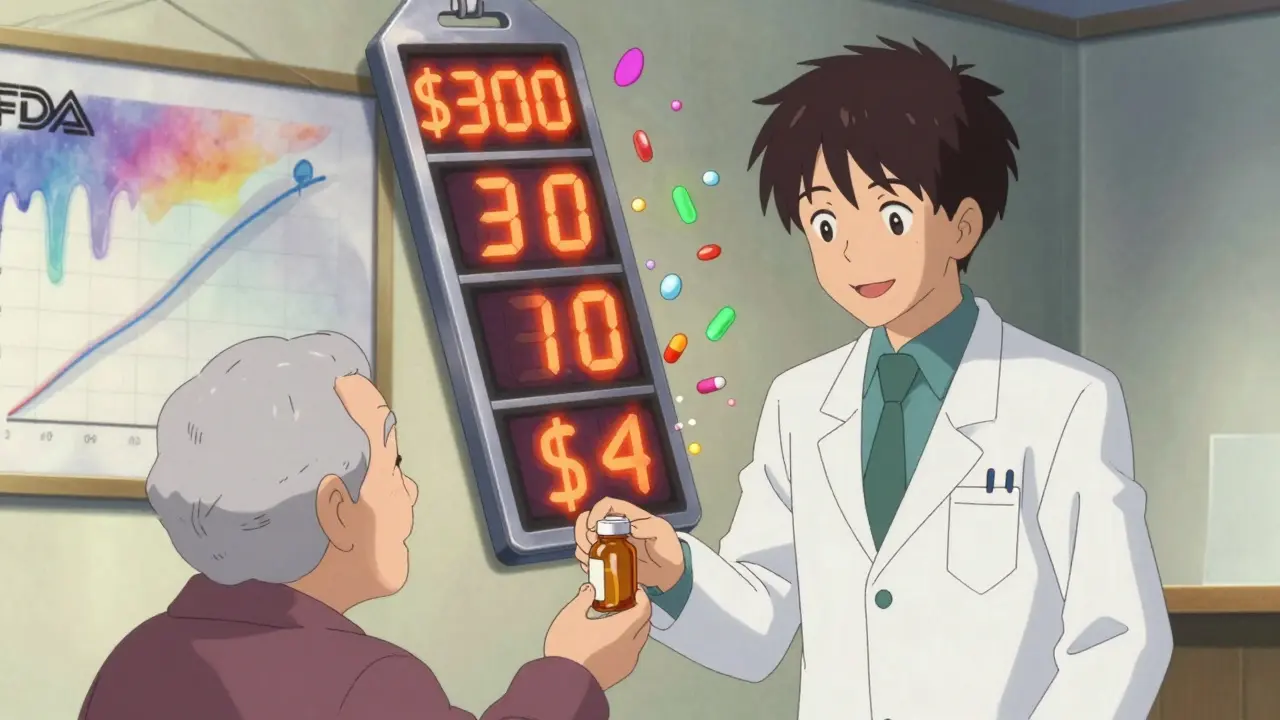
Doctors and pharmacists support the switch
You might think switching is something you have to fight for. But most of the time, it’s already built in. Insurance plans have tiered formularies. Generics are almost always in Tier 1 - meaning your copay is $1 to $10. Brand-name drugs? Often $25 to $75. Your pharmacy is already programmed to substitute unless your doctor specifically writes “dispense as written.” Pharmacists are trained to help you through the transition. They’re the ones who explain why the pill looks different. They’re the ones who check for interactions. They’re the ones who can tell you if your generic is from a reputable manufacturer - and they do it every day. The American Pharmacists Association recommends counseling patients during the switch, not to warn them, but to reassure them. Even the FDA’s former director, Dr. Janet Woodcock, said it plainly: “Generic drugs undergo rigorous review to ensure they are as safe and effective as brand-name drugs.”What about those rare cases?
No rule is without exception. For a small group of drugs called “narrow therapeutic index” (NTI) medications - like warfarin, lithium, or some seizure drugs - tiny changes in blood levels can matter. That’s why some doctors are cautious. But here’s the catch: even for these drugs, the FDA still requires generics to meet the same bioequivalence standards. The difference isn’t in the drug - it’s in how we monitor. If you’re on one of these medications, your doctor may want to check your blood levels after switching. That’s not because the generic is less effective. It’s because these drugs require careful management - whether they’re brand or generic. Most patients switch without issue. And for those who do notice a change, it’s usually temporary, and easily fixed with a small dosage tweak.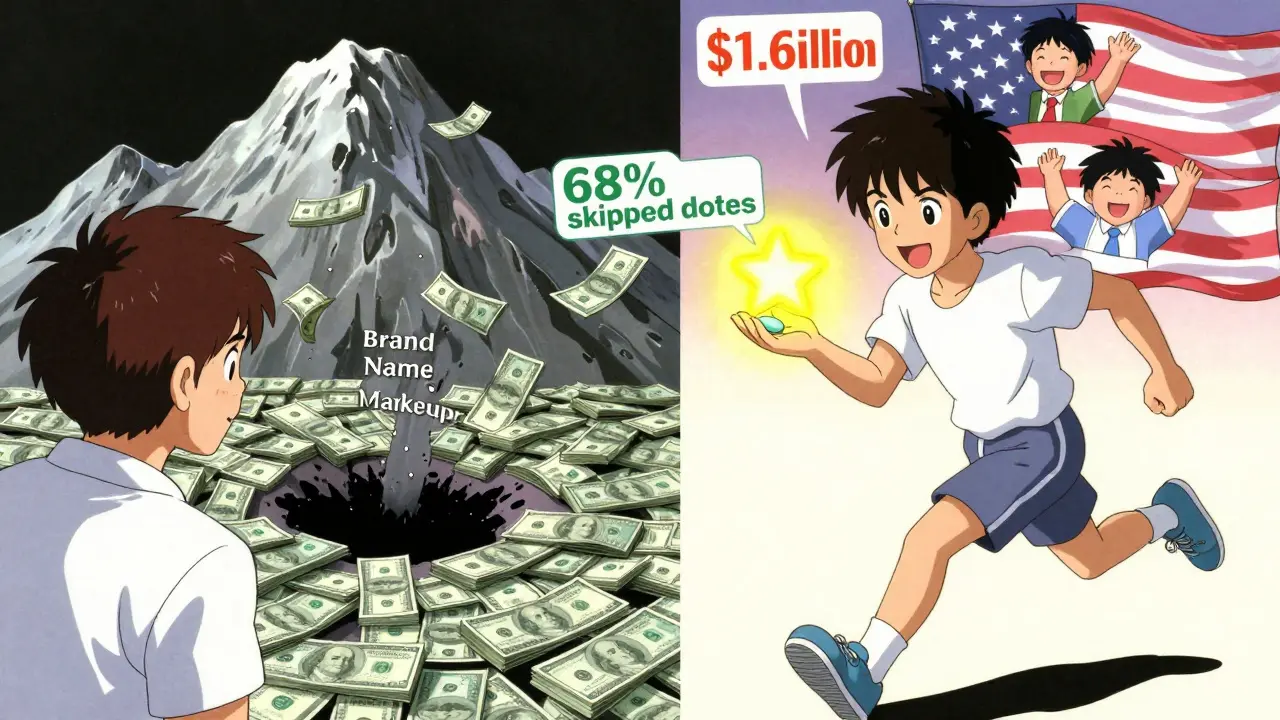
Why do brand-name drugs cost so much?
Brand-name drugs aren’t expensive because they’re better. They’re expensive because the company spent years and hundreds of millions developing them - and then they have a patent monopoly. Once that patent expires, other companies can make the same drug. No more R&D costs. No more marketing budgets. Just the cost of making the pill. The moment multiple generics enter the market, prices crash. With five or more manufacturers competing, prices drop by nearly 85%. That’s market competition at work. It’s not magic. It’s economics.What you need to do next
If you’re on a brand-name drug, ask your pharmacist: “Is there a generic available?” If you’re on a long-term medication - blood pressure, cholesterol, diabetes, thyroid, antidepressants - the odds are high that one exists. Ask your doctor: “Can we switch?” Most will say yes. Don’t wait for a refill. Don’t assume your insurance won’t cover it. Call your pharmacy. Check your copay. Compare the price. You might be surprised.Bottom line: It’s the same drug. Just cheaper.
Switching to a generic isn’t about cutting corners. It’s about cutting waste. It’s about getting the same treatment without paying for advertising, fancy packaging, or executive bonuses. It’s about taking control of your health without sacrificing your budget. The science is clear. The data is solid. The savings are real. And the people who’ve made the switch? They’re healthier, more consistent with their meds, and far less stressed about bills. There’s no reason not to try it - unless your doctor says otherwise. And even then, it’s worth asking why.Are generic medications safe?
Yes. The FDA requires generic drugs to meet the same strict standards as brand-name drugs. They must contain the same active ingredient, work the same way in the body, and be manufactured under the same quality controls. Generic drugs are tested for safety and effectiveness before approval, and the FDA continues to monitor them after they’re on the market.
Why do generic pills look different?
Generic pills may look different because they use different inactive ingredients - like colorants, fillers, or coatings - which are not active in treating your condition. These differences are purely cosmetic and don’t affect how the drug works. The active ingredient, dosage, and effectiveness remain identical to the brand-name version.
Do generics take longer to work?
No. The FDA requires generics to be bioequivalent, meaning they enter your bloodstream at the same rate and to the same extent as the brand-name drug. Studies show no meaningful difference in how quickly generics start working. Whether it’s pain relief, blood pressure control, or mood stabilization, the timing is the same.
Can I switch from brand to generic anytime?
In most cases, yes. Your pharmacist can substitute a generic unless your doctor writes “dispense as written” on the prescription. For most medications, switching is immediate and safe. For drugs with a narrow therapeutic index - like warfarin or certain seizure meds - your doctor may want to monitor your blood levels after the switch, but this is standard practice regardless of brand or generic.
Are all generics the same?
All FDA-approved generics for the same drug must meet the same bioequivalence standards, so they are therapeutically equivalent. However, different manufacturers may produce generics with slightly different inactive ingredients. This can sometimes cause minor differences in how the pill feels or tastes, but not in how it works. If you notice a change after switching manufacturers, talk to your pharmacist - it’s usually harmless.
Will my insurance cover generics?
Yes - and they usually pay much more for generics. Most insurance plans have tiered pricing, with generics in the lowest tier. Your copay for a generic is often $1-$10, while brand-name drugs can cost $25-$75 or more. Some plans even waive copays entirely for generics. Always check your formulary or ask your insurer.
Are there any drugs without generics?
Yes, but they’re rare. Some newer drugs are still under patent protection, and complex biologic drugs (like insulin or rheumatoid arthritis treatments) have only recently started seeing generic versions called biosimilars. As of 2025, over 12,000 generic drugs are available in the U.S. - covering most common conditions. If your drug doesn’t have a generic yet, ask your doctor if there’s a similar, cheaper alternative.
Michael Dillon
December 25, 2025 AT 02:43Look, I get it - generics save money. But I’ve seen people switch and then end up in the ER because their blood pressure went haywire. The FDA says they’re bioequivalent, but bioequivalent doesn’t mean identical. Your body reacts to fillers. Your gut reacts to dyes. I’m not saying avoid them - I’m saying don’t treat this like a vending machine choice.
Gary Hartung
December 26, 2025 AT 13:51Let’s be clear: the pharmaceutical industry is a cartel masquerading as a healthcare system. Brand-name drugs are priced like luxury handbags - because they’re marketed like them. Generics? They’re the same drug, produced in the same factories (often the same ones!), just without the glossy brochure. The only thing ‘different’ is the profit margin. And yes, I’ve checked the FDA’s database. The manufacturer of your ‘brand-name’ Lipitor? It’s the same as your $4 atorvastatin. The only difference? A trademark.
Ben Harris
December 26, 2025 AT 17:57My uncle took generic metformin and started having stomach cramps so bad he thought he had appendicitis. He switched back to the brand and it vanished. So yeah maybe it's the same active ingredient but your body doesn't care about FDA paperwork it cares about what's actually in the pill. They change the binders and you get a different reaction. It's not conspiracy it's biology
Oluwatosin Ayodele
December 27, 2025 AT 02:27Actually in Nigeria we don't even have access to FDA-approved generics. Most are counterfeit or substandard. You think this is universal? No. The FDA standards are American. In many countries, generic means ‘whatever the local factory can produce’. So please don't generalize. Your savings might be someone else's death sentence if the supply chain is broken.
Jason Jasper
December 27, 2025 AT 21:10I switched my blood pressure med to generic last year. No issues. No side effects. Saved $240/month. I’m not a doctor, but I’ve read the studies and talked to my pharmacist. The science is solid. If your doctor says it’s fine, trust them. If you’re nervous, ask for a blood test after the switch. It’s not a gamble - it’s just economics working the way it should.
Justin James
December 29, 2025 AT 06:52Have you ever wondered why the FDA allows generics but still requires them to be tested individually? Why do they need bioequivalence studies at all if they’re literally the same? Because they’re not. The active ingredient is the same, yes - but the excipients? They’re unregulated in terms of long-term biological impact. And who’s monitoring the cumulative effect of 20 years of different fillers in your liver? No one. The system is designed to make you feel safe while quietly offloading risk onto the patient. You think your ‘$4 pill’ is safe? It’s just cheaper to ignore the consequences.
Katherine Blumhardt
December 29, 2025 AT 13:36OMG I switched my antidepressant to generic and I felt like a zombie for 3 weeks 😭 I thought I was going crazy but my pharmacist said it was 'normal adjustment'... now I'm back on brand and I'm human again. Why do they even make these if they mess with your brain??
sagar patel
December 29, 2025 AT 23:54Generics are not inferior. They are identical in pharmacokinetics and pharmacodynamics. The notion that inactive ingredients cause clinical differences is anecdotal and unsupported by large-scale meta-analyses. Your body metabolizes the active moiety. The rest is inert. Stop attributing psychological phenomena to pharmaceutical chemistry.
Linda B.
December 30, 2025 AT 03:47Let’s not forget that the FDA’s approval process for generics is based on studies conducted by the manufacturers themselves. The same companies that profit from generics also fund the research that proves they’re ‘equivalent.’ There’s no independent oversight. And the FDA’s budget? Underfunded. They inspect less than 1% of foreign manufacturing plants. So yes, your $4 pill might be perfectly safe. Or it might be dust from a factory in Mumbai that doesn’t even have running water. Either way, you’re trusting a system that has zero accountability.
Christopher King
December 31, 2025 AT 03:16Think about it: the entire pharmaceutical industry is built on fear. Fear of the disease. Fear of death. Fear of the unknown. So they sell you brand names as security blankets. But the truth? You’re not buying medicine. You’re buying a narrative. The generic is the raw truth - no branding, no marketing, no lies. It’s just the molecule, stripped bare. And that’s terrifying to a society that needs symbols to feel safe. So we pay $300 for a pill that looks pretty. Meanwhile, the real cure - financial freedom, peace of mind, trust in science - is sitting in the generic aisle, waiting for someone brave enough to pick it up.