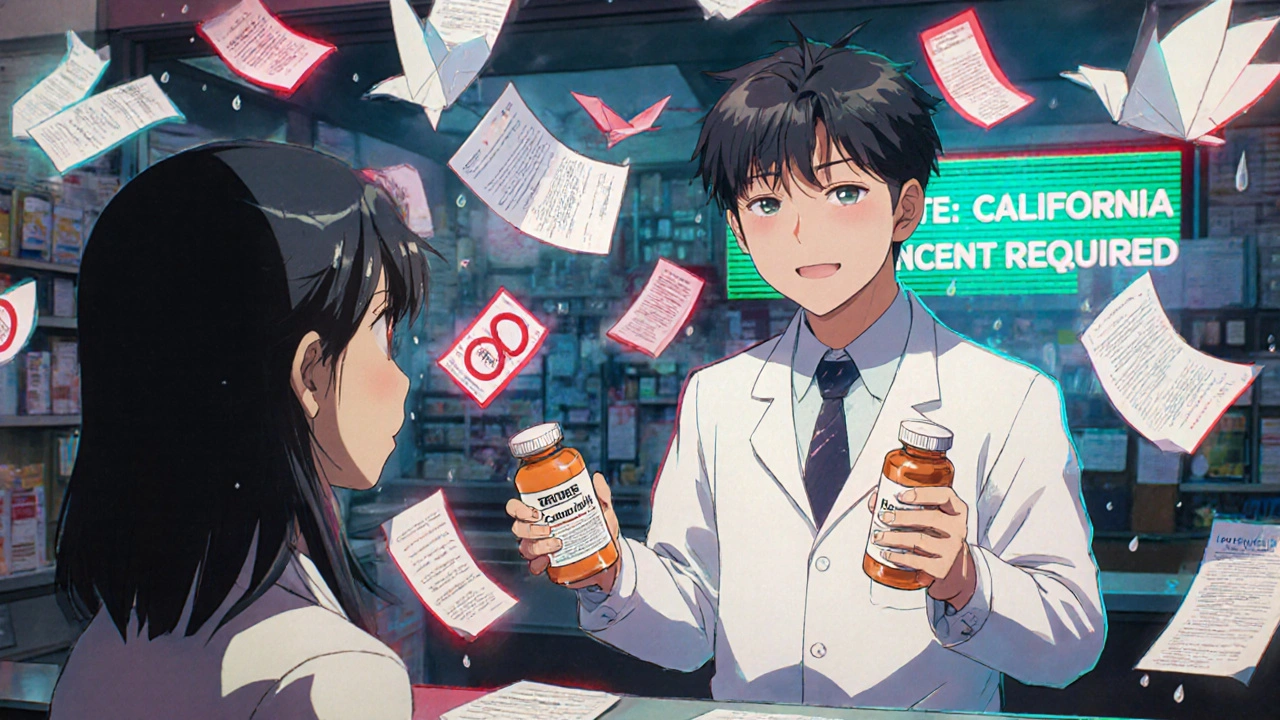
Pharmacist Responsibilities: What They Do and Why It Matters
When you pick up a prescription, you’re not just getting pills—you’re getting the result of pharmacist responsibilities, the professional duties that ensure medications are safe, effective, and properly used. Also known as pharmacy practice, these responsibilities include checking for dangerous drug interactions, explaining side effects, and making sure you get the right dose for your age, weight, and other conditions. This isn’t just paperwork. A pharmacist catches errors other providers miss—like when a patient on blood thinners is prescribed ibuprofen, or when someone with liver disease gets a drug that could cause failure. These aren’t hypothetical risks. They’re real, life-threatening mistakes that pharmacists prevent daily.
Behind every safe medication is a team of pharmacists who track drug interactions, how two or more medicines affect each other in the body. This includes everything from NSAIDs increasing bleeding risk with warfarin, to opioids triggering serotonin syndrome when mixed with MAOIs. Pharmacists also manage REMS programs, FDA-mandated safety systems for high-risk drugs. These require special training, patient enrollment, and monitoring—tasks that fall squarely on the pharmacist’s shoulders. They’re the ones ensuring patients understand how to use dangerous medications like those for hepatitis C or severe psoriasis without causing harm.
And it’s not just about drugs. Patient education, teaching people how to take their meds correctly and recognize warning signs is a core part of the job. A pharmacist will explain why you can’t crush a slow-release pill, how to store insulin, or what to do if you miss a dose of your blood pressure med. They spot when a patient doesn’t understand their treatment plan—and step in before a hospital visit becomes necessary. This is especially critical for older adults juggling five or more prescriptions, or parents managing kids’ antibiotics and asthma inhalers.
Pharmacists also enforce medication safety, the system of checks and standards that prevent errors in prescribing, dispensing, and using drugs. That means verifying dosages against guidelines, checking for allergies, and confirming the right drug is being given for the right condition. They review lab results—like liver enzymes before giving acetaminophen—and flag when a patient’s kidneys can’t clear a drug properly. In hospitals, they’re part of the care team. In community pharmacies, they’re the last line of defense before a pill hits your hand.
What you’ll find in these articles isn’t theory. It’s real cases: how a simple combo of blood thinners and NSAIDs led to internal bleeding, why REMS programs changed how high-risk drugs are handled, how drug-induced liver injury shows up in routine labs, and how quality control in manufacturing keeps devices like insulin pumps safe. These are all tied to the daily work of pharmacists—because their responsibilities don’t end at the counter. They extend into every decision that affects your health.