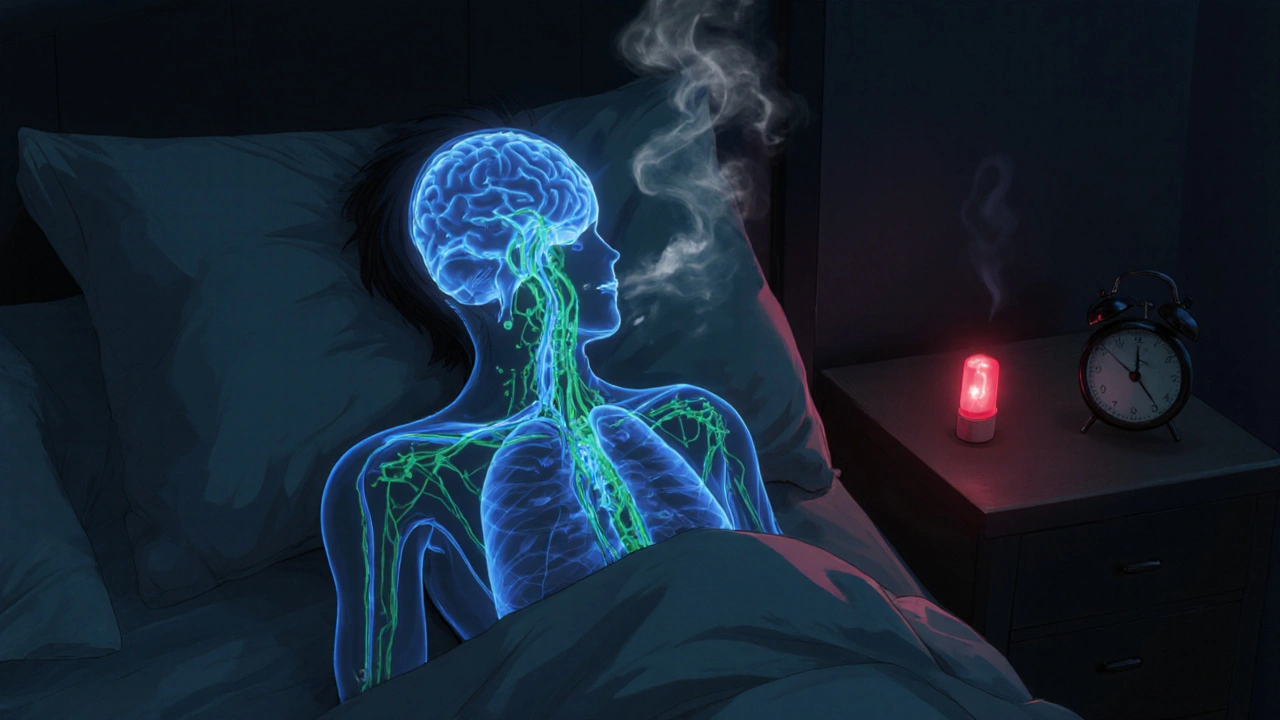
Opioid Sedation: Risks, Safety, and What You Need to Know
When you hear opioid sedation, the controlled use of opioid medications to reduce pain and induce calmness, often in medical settings. Also known as opioid-induced sedation, it’s a common part of anesthesia, palliative care, and intensive treatment—but it’s not without serious risks. Opioids like morphine, fentanyl, and oxycodone slow breathing and lower alertness, which is why they’re used carefully in hospitals. But outside clinical settings, this same effect can turn deadly. A simple mistake in dosing, or mixing opioids with other depressants like benzodiazepines or alcohol, can lead to respiratory failure. You don’t need to be a drug user to be at risk—this happens to patients following prescriptions, elderly people on multiple meds, and even kids who find pills at home.
That’s why medication lockbox, a secure container designed to prevent unauthorized access to high-risk drugs matters. If someone in your home is on opioids, storing them in a lockbox isn’t just smart—it’s a lifesaving habit. The same goes for understanding REMS programs, FDA-mandated safety systems that require special training and monitoring for high-risk medications like opioids. These aren’t red tape—they’re guardrails. REMS programs ensure pharmacies and prescribers know the risks, patients get proper counseling, and overdose prevention tools like naloxone are offered when needed.
And it’s not just about storage or paperwork. drug-induced liver injury, liver damage caused by medications, including some opioids when combined with other drugs is another hidden danger. Some people take acetaminophen for pain on top of opioids, not realizing how much strain that puts on the liver. Others mix opioids with antidepressants or muscle relaxants, triggering serotonin syndrome or extreme sedation. The line between relief and crisis is thin—and it’s why knowing the difference between a side effect, an expected, often mild reaction to a drug and a serious adverse event, a life-threatening reaction that demands immediate action can make all the difference.
What you’ll find below isn’t theory. It’s real guidance from posts written for patients, caregivers, and clinicians who’ve seen what happens when opioid sedation goes wrong—and how to stop it before it starts. You’ll learn how to spot warning signs, why certain drug combos are deadly, how to store opioids safely, and what to do if someone stops breathing. No fluff. No fearmongering. Just clear, practical steps to keep you and your loved ones protected.