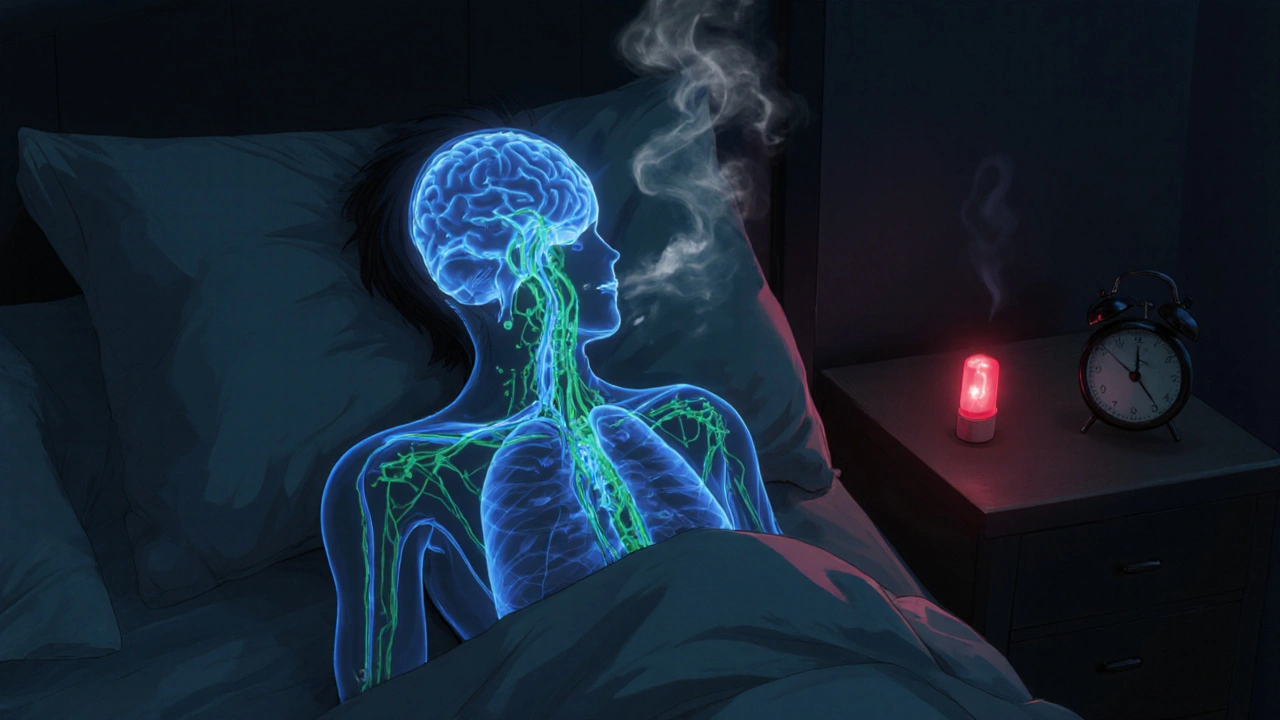
Benzodiazepine Overdose: Signs, Risks, and What to Do
When someone takes too much of a benzodiazepine, a class of central nervous system depressants used to treat anxiety, seizures, and insomnia. Also known as benzos, these drugs include diazepam, lorazepam, alprazolam, and clonazepam — all of which slow brain activity to calm nerves or stop seizures. But when taken in high doses, or mixed with other depressants, they can shut down breathing — and that’s when a benzodiazepine overdose becomes an emergency.
A benzodiazepine overdose doesn’t always cause vomiting or seizures like some other drug overdoses. Instead, it creeps up quietly: extreme drowsiness, slurred speech, confusion, loss of coordination, and eventually, unresponsiveness. The biggest danger? respiratory depression. Your breathing slows until it stops. This risk spikes when benzos are combined with alcohol, opioids, or sleep aids — a mix that’s behind many accidental deaths. Even people who’ve taken benzos for years can overdose if they increase their dose without medical supervision, or if their body’s tolerance drops after a break.
It’s not just about pills. Many people don’t realize that even prescribed doses can become dangerous when paired with other medications. A study from the CDC found that over 30% of benzodiazepine-related deaths involved opioids. That’s why safe storage matters — keeping these drugs locked away, as discussed in posts about medication lockbox use, isn’t just for kids. It’s for anyone who might accidentally or intentionally take too much.
If you suspect a benzodiazepine overdose, don’t wait. Call emergency services immediately. Flumazenil is an antidote, but it’s not always used — it can trigger seizures in people who’ve been on benzos long-term. The real lifesaver is prompt medical care: airway support, oxygen, and monitoring until the drug clears the system. Most people recover fully if help comes in time.
Below, you’ll find real-world guides on how to spot dangerous drug interactions, what to do when side effects turn life-threatening, and how to prevent accidental harm at home. These aren’t theoretical — they’re the kind of information that helps people stay safe before it’s too late.