Antibiotic and Birth Control: What You Need to Know About Interactions and Effectiveness
When you take an antibiotic, a medication used to treat bacterial infections, it’s natural to worry it might interfere with your birth control, hormonal contraception designed to prevent pregnancy. The truth? Most antibiotics don’t affect birth control pills. But one major exception does—and if you’re on it, skipping a pill or two could put you at risk. This isn’t guesswork. It’s science backed by decades of data and real-world cases where unintended pregnancies happened because people assumed all antibiotics were safe.
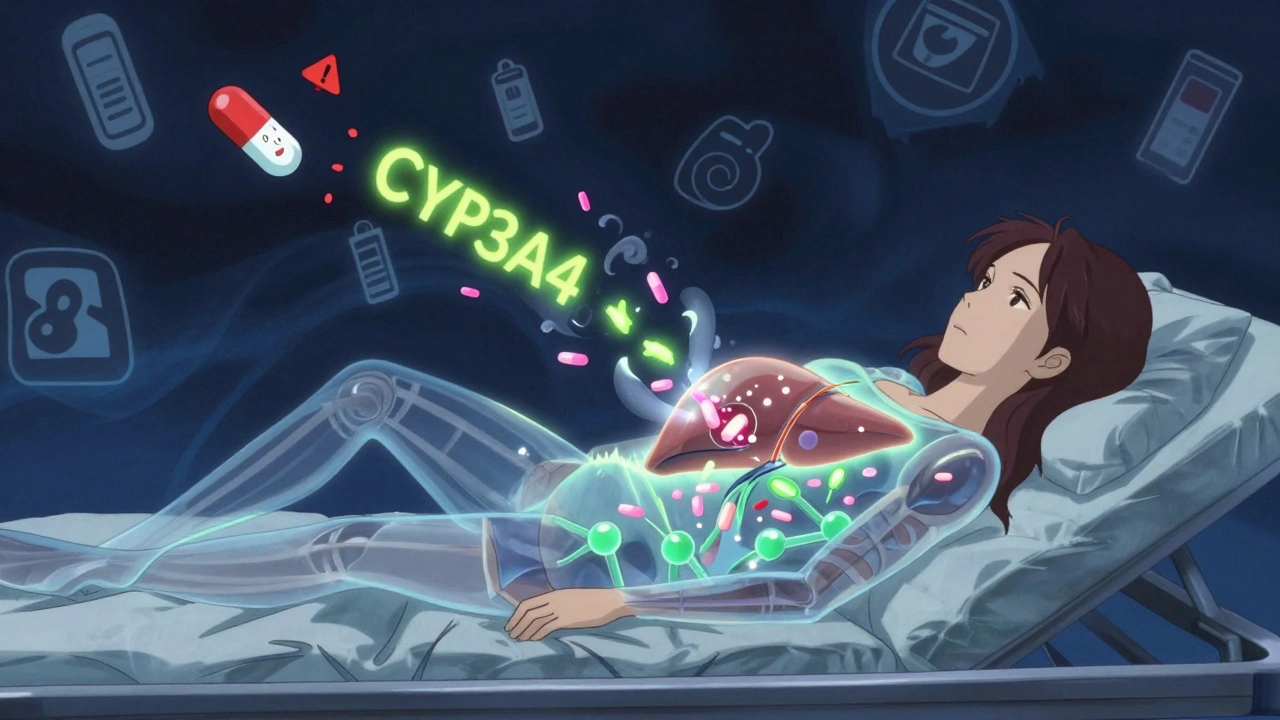
The real culprit is rifampin, a powerful antibiotic used for tuberculosis and other serious infections. It speeds up how your liver breaks down estrogen and progestin, the hormones in most birth control pills. That means less hormone stays in your system to prevent ovulation. Other antibiotics like penicillin, amoxicillin, or doxycycline? They don’t do this. But here’s the catch: if you’re on rifampin, you need backup contraception—not just for the time you’re taking it, but for at least a month after. And if you’re on probiotics, live microorganisms that support gut health while on antibiotics, you’re protecting your microbiome, but that won’t help your birth control stay effective. Gut health and hormone levels don’t connect that way.
People often mix up side effects with interactions. Nausea from an antibiotic? That’s not the same as your birth control failing. Diarrhea? If it’s severe and lasts more than a day, it *might* reduce absorption—but only if you’re throwing up or having watery stools right after taking the pill. That’s different from the enzyme-inducing effect of rifampin. If you’re unsure, check your pill’s package insert. Look for warnings about enzyme inducers. Ask your pharmacist. They’re trained to spot these risks. And if you’re on birth control and get prescribed any new drug—especially for TB, epilepsy, or HIV—always ask: Will this make my pill less effective?
What you’ll find below are real, practical posts that cut through the noise. You’ll learn how to spot dangerous drug combinations, why some pills look different but work the same, how pharmacists ensure your meds are safe, and what to do when you’re on multiple prescriptions. No fluff. No myths. Just clear, tested info from people who deal with these issues every day. Whether you’re on birth control, taking antibiotics, or just trying to keep your meds from fighting each other, you’ll find what you need here.