
Diabetes Sick Day Medication Checker
Your Sick Day Guidance
Important: Always contact your healthcare provider for personalized advice. This tool is for educational purposes only.
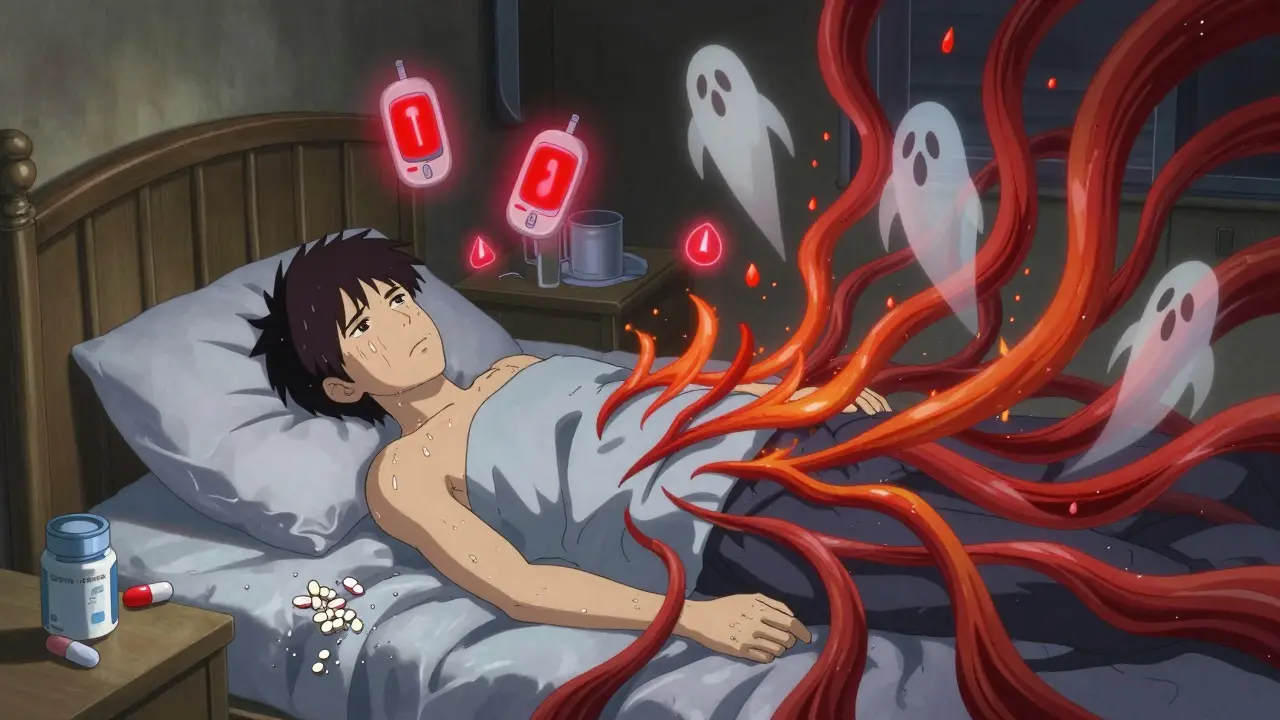
When you’re sick with a cold, flu, or stomach bug, your body is under stress. For someone with diabetes, that stress can turn a minor illness into a medical emergency. Diabetic ketoacidosis (DKA) and acute kidney injury (AKI) don’t wait for you to feel better-they can strike fast, especially if your diabetes medications aren’t adjusted properly. And the worst part? Many people don’t realize their meds are the problem until it’s too late.
Why Sick Days Are Dangerous for People with Diabetes
When you’re ill, your body releases stress hormones like cortisol and adrenaline. These hormones make your liver pump out more glucose, even if you’re not eating. At the same time, your body may not use insulin well. If you’re vomiting, have diarrhea, or aren’t drinking enough, your blood sugar can skyrocket. That’s when DKA can start. DKA happens when your body starts breaking down fat for energy because it doesn’t have enough insulin. This creates ketones, which make your blood acidic. Symptoms? Fruity-smelling breath, nausea, confusion, rapid breathing, and extreme thirst. Left untreated, DKA can lead to coma or death. AKI is just as dangerous. It’s when your kidneys suddenly stop working well. For people with diabetes, this often happens because of dehydration from illness combined with certain medications. Your kidneys can’t filter waste properly, and toxins build up. Signs include less urine output, swollen ankles, fatigue, and confusion. A 2022 study in JAMA Internal Medicine found that people with diabetes are 300% more likely to develop DKA and 200% more likely to suffer AKI during illness. And 12.7% of all diabetes-related hospitalizations are due to medication mismanagement during sickness-according to CDC data from 2023.Which Diabetes Medications to Stop, Reduce, or Keep
Not all diabetes medications are safe to take when you’re sick. Some can make things worse. Here’s what you need to know:- Metformin: Stop immediately if you’re vomiting, have diarrhea, or have a fever. Metformin increases your risk of lactic acidosis when your kidneys are stressed. A 2019 study in the New England Journal of Medicine showed an 8.3-fold higher risk when creatinine levels rise above 1.5 mg/dL. Even if you feel fine, if you can’t keep fluids down, stop it.
- SGLT2 inhibitors (like empagliflozin, dapagliflozin, canagliflozin): These must be stopped at the first sign of illness-no waiting. They increase the risk of euglycemic DKA, where your blood sugar looks normal but ketones are high. The FDA reported a 7.2-fold increase in DKA cases linked to these drugs during illness. If you’re taking one, have ketone strips ready and stop the pill as soon as you feel unwell.
- ACE inhibitors and ARBs (like lisinopril, losartan, valsartan): These blood pressure meds are common in people with diabetes. But if you’re dehydrated, they can cause your kidneys to shut down. Pause them if you’re drinking less than 1,500 mL (about 6 cups) of fluid in 24 hours. A 2022 meta-analysis found a 40% higher risk of AKI under these conditions.
- Insulin: Never stop insulin-no matter what. Type 1 patients usually need 10-20% more basal insulin every 4 hours if blood sugar is over 15 mmol/L (270 mg/dL). Type 2 patients on insulin often need more too-68% do, according to a 2023 Diabetes Care trial. If you’re unsure, test your blood sugar every 2-4 hours and call your doctor. Missing insulin during illness is the #1 cause of DKA.
- Sulfonylureas (like glipizide, glyburide): These can cause low blood sugar during illness, especially if you’re not eating. You might need to reduce the dose, but don’t stop unless your doctor says so. Hypoglycemia can be just as dangerous as high blood sugar.
How Often to Check Blood Sugar and Ketones
When you’re sick, checking your blood sugar isn’t optional-it’s life-saving. Test every 2 to 4 hours. That’s at least six times a day. Don’t wait until you feel worse. Set alarms on your phone if you have to. Your target range during illness? Between 100 and 180 mg/dL (5.6-10 mmol/L). It’s okay if it’s a little higher than normal. The goal is to avoid spikes and crashes. Now, ketones. If your blood sugar is over 240 mg/dL (13.3 mmol/L), test for ketones. Use urine strips or a blood ketone meter. If your blood ketones are above 0.6 mmol/L, or urine ketones are above 1.5 mmol/L, call your doctor or go to the ER. Don’t wait. Euglycemic DKA can happen even if your sugar looks okay.Hydration Is Non-Negotiable
Drinking fluids is your first line of defense. Dehydration is the common thread behind most sick-day complications. Your body needs water to flush out ketones and protect your kidneys. Aim for at least 1,500 mL (6 cups) of fluid a day. If you’re vomiting or have diarrhea, you need more. Water is best, but if you can’t keep it down, try sugar-free electrolyte drinks like Nuun Hydration or Pedialyte. Avoid sugary sodas unless you’re treating low blood sugar. If you can’t keep fluids down for more than 4 hours, or if you’re urinating less than usual, get help. That’s a red flag for AKI.
What to Keep in Your Sick-Day Kit
Don’t wait until you’re sick to prepare. Build your sick-day kit now-ideally by October, before flu season hits. Include:- Glucose meter with 50+ test strips
- Ketone strips (urine or blood-have both if possible)
- 7-day supply of all your medications
- 6 sugar-free drinks (12 oz each)
- Electrolyte packets (Nuun, Pedialyte)
- Simple carbs for lows: juice boxes, glucose tablets, honey
- ADA Sick Day Log (print it out or save it on your phone)
When to Call for Help
You don’t need to tough it out. These are clear signs you need emergency care:- Blood sugar below 70 mg/dL and doesn’t rise after 15g of carbs (repeat twice)
- Ketones above 1.5 mmol/L for more than 2 hours
- Vomiting for more than 4 hours
- Diarrhea for more than 6 hours
- Confusion, trouble breathing, or fruity-smelling breath
- Urine output drops to less than 300 mL in 24 hours
Why Guidelines Conflict-and What to Do
Here’s the messy part: Not all doctors agree. The ADA says you can keep metformin during mild illness. The IDF says stop it anytime you’re sick. NICE says pause meds if you drink less than 1,200 mL. Joslin Center says, “Just take your meds unless your doctor says otherwise.” A 2024 survey found 62% of patients had at least one medication mistake during illness. One Reddit user wrote: “My endo said keep metformin. ADA website says stop. Who do I believe when I’m vomiting?” The truth? When in doubt, err on the side of caution. If you’re vomiting, have a fever, or can’t drink fluids, stop metformin and SGLT2 inhibitors. Keep insulin. Check ketones. Call your provider.
What Experts Say-and What They’re Still Fighting Over
Dr. Robert Gabbay from the ADA says: “Don’t restart your meds after 5 days without talking to your doctor. That’s how 18% of preventable AKI cases happen.” Dr. Anne Peters warns: “Waiting 24 hours to stop an SGLT2 inhibitor when you’re vomiting increases DKA risk by 300%.” But Dr. John Buse reminds us: “Blindly stopping all oral meds ignores that sulfonylureas cause more hypoglycemia than metformin causes lactic acidosis.” The real problem? Guidelines treat everyone the same. Someone taking 300 mg of metformin daily isn’t at the same risk as someone on 2,000 mg. But current rules don’t account for that.Real Stories, Real Consequences
One patient, ‘Type1Dad2020’ on the ADA forum, stopped metformin during a stomach flu-but forgot about his lisinopril. He ended up in the hospital for three days with AKI. Another user on Reddit said they were told to keep their SGLT2 inhibitor by their primary care doctor but told to stop it by their endocrinologist. They didn’t know who to trust. They ended up in the ER with DKA. The good news? People who prepare a sick-day kit are 78% less likely to be hospitalized. That’s not a guess-it’s data from the Joslin Diabetes Center.What’s Coming Next
Newer drugs like GLP-1 receptor agonists (semaglutide, tirzepatide) are now used by over 22 million Americans. But there are no official sick-day rules for them yet. The ADA plans to update its guidelines in 2025 to include them. AI tools like Glooko’s Illness Advisor (in beta as of late 2024) are starting to offer personalized advice based on your glucose trends. That could change everything. But for now, the rules are clear: Know your meds. Test often. Hydrate. Stop the dangerous ones. Never skip insulin. And when in doubt, call for help.Should I stop my metformin if I have a fever?
Yes. If you have a fever, vomiting, or diarrhea, stop metformin immediately. These conditions stress your kidneys and increase your risk of lactic acidosis. Restart only after you’ve been eating and drinking normally for at least 24 hours-and only after talking to your doctor.
Can I still take my blood pressure pills when I’m sick?
It depends. ACE inhibitors and ARBs can cause acute kidney injury if you’re dehydrated. Pause them if you’re drinking less than 1,500 mL (6 cups) of fluid in 24 hours. If you’re vomiting or have diarrhea, assume you’re not drinking enough. Contact your doctor before restarting.
Do I need to check ketones if my blood sugar is normal?
Yes-if you’re sick, especially if you take an SGLT2 inhibitor. These drugs can cause euglycemic DKA, where ketones build up even when your blood sugar is below 250 mg/dL. Test ketones anytime you feel unwell, nauseous, or fatigued, even if your sugar looks fine.
What if I can’t keep fluids down?
If you can’t keep fluids down for more than 4 hours, call your doctor or go to the ER. Dehydration is the main trigger for both DKA and AKI. You may need IV fluids. Don’t wait until you’re dizzy or can’t stand up.
Is it safe to take insulin if I’m not eating?
Yes. You still need insulin, even if you’re not eating. Your body still makes glucose during illness. Skipping insulin can cause DKA. You may need less than usual, but never stop. Test your blood sugar every 2-4 hours and adjust based on readings. If unsure, call your healthcare provider for guidance.
How do I know if I’m developing AKI?
Signs include urinating much less than usual, swelling in your legs or ankles, feeling unusually tired or confused, and nausea. If you’re taking ACE inhibitors or ARBs and you’re dehydrated, AKI can develop quickly. Check your urine output-if it’s less than 300 mL in 24 hours, seek help immediately.
Todd Nickel
December 31, 2025 AT 17:28It's wild how much we rely on guidelines that contradict each other. ADA says one thing, IDF says another, and your endo says whatever they feel like that day. I get that medicine isn't black and white, but when you're vomiting and your blood sugar is climbing, you don't need nuance-you need a clear, actionable rule. Why can't we have a standardized, evidence-based algorithm that factors in your specific meds, your baseline kidney function, and your hydration status? Instead, we get vague advice and a prayer. It's a systemic failure disguised as clinical flexibility.
And don't even get me started on the SGLT2 inhibitors. The FDA warning is there for a reason. People think 'euglycemic' means 'safe' because the glucose numbers look fine. But ketones don't care about your meter. They're just waiting for you to pass out. I've seen two people in the ER with DKA and normal sugars-all because they trusted the numbers instead of the symptoms. This isn't theoretical. It's happening every day.
Also, why is nobody talking about the fact that most of these guidelines are written by people who've never spent 72 hours in a hospital bed with a fever, dehydration, and a screaming family member asking if they're going to die? Real-world chaos doesn't fit neatly into bullet points.
My sick-day kit has ketone strips, a printed ADA log, a bottle of Nuun, and a handwritten note from my endo that says, 'If in doubt, stop metformin and call.' That’s my bible now. Not the website. Not the pamphlet. The note.
And yes, I check my blood sugar every two hours when I'm sick. Even if I'm asleep. My phone alarm is louder than my wife's snoring.
People need to stop treating diabetes like it's a hobby. It's a full-time job. And when you're sick, it becomes a second shift with no overtime.
Prepare now. Not when you're too weak to reach the cabinet.
Austin Mac-Anabraba
January 1, 2026 AT 05:37Let’s be honest: this whole ‘sick day protocol’ is just another way for Big Pharma to profit off fear. Metformin gets demonized? SGLT2 inhibitors are ‘dangerous’? Insulin is sacred? Who benefits from this narrative? The companies selling ketone strips, glucose meters, and electrolyte drinks. The same ones who lobbied to keep these drugs on the market despite known risks.
And let’s not forget the real culprit: the medical-industrial complex. They want you dependent. They want you checking your blood sugar every two hours. They want you buying ‘sick-day kits’ like it’s a survivalist prep list. Meanwhile, the root cause-poor diet, sedentary lifestyle, and systemic neglect of preventive care-is never addressed.
Here’s a radical idea: what if we stopped treating diabetes like a crisis to be managed with pills and strips, and started treating it like a lifestyle disease that requires real change? But no-better to sell you a $40 kit than fix the food system.
And don’t even get me started on the ‘never stop insulin’ dogma. What about insulin resistance? What about the fact that some people produce enough insulin but their cells won’t respond? Why is the only solution more insulin? It’s not medicine-it’s a band-aid on a hemorrhage.
This post reads like a pharmaceutical ad with footnotes. I’m not scared of DKA. I’m scared of the system that turned a metabolic condition into a profit engine.
Phoebe McKenzie
January 1, 2026 AT 06:45YOU PEOPLE ARE KILLING YOURSELVES WITH STUPIDITY. STOP METFORMIN WHEN YOU’RE SICK. IT’S NOT A SUGGESTION. IT’S A LIFE OR DEATH RULE. I DON’T CARE IF YOUR ‘ENDO’ SAID OTHERWISE-THE ADA HAS A WEBSITE AND THE FDA HAS WARNINGS AND YOU’RE STILL OUT HERE THINKING YOU’RE SMARTER THAN THE DATA?
I had a friend who kept her SGLT2 inhibitor because ‘she felt fine.’ She woke up in the ER with ketones at 4.2 and a pH of 7.02. She’s lucky she didn’t die. Now she has a kidney transplant and a permanent scar on her brain.
And you know what? The people who say ‘just hydrate’ or ‘check your sugar’ are the same people who think ‘natural remedies’ cure cancer. You don’t cure DKA with lemon water. You cure it with insulin, fluids, and medical intervention. Stop listening to Reddit gurus and start listening to science.
Also, if you’re not preparing a sick-day kit before flu season, you’re not just irresponsible-you’re selfish. What happens if you collapse and your kid has to find your meds? You think they know what ‘ARBS’ means? They don’t. You think they know what ‘euglycemic’ even sounds like? NO. So you better have it written in big letters on a sticky note next to the glucose strips.
STOP BEING A DUMBASS. PREPARE. STOP. CHECK. CALL. That’s the protocol. Not your opinion. Not your ‘doctor said.’ The protocol.
gerard najera
January 2, 2026 AT 17:30Insulin never stops. Everything else might.
Stephen Gikuma
January 2, 2026 AT 22:44They want you to stop your meds? That’s the government’s way of controlling you. Who benefits? The hospitals. The drug companies. The CDC. They make billions off diabetes complications. Why? Because they don’t want you healthy-they want you dependent.
Metformin is a cheap, safe drug that’s been used for 60 years. Now they say ‘stop it’ because it’s ‘risky’? That’s a scare tactic. Same with SGLT2 inhibitors-they’re great for weight loss, but now they’re the villain because Big Pharma wants you on insulin instead. Why? More profit.
And hydration? Drink water? That’s what your grandma told you. But what if the water’s contaminated? What if the electrolyte drinks are laced with glyphosate? You think the FDA’s watching? They’re not. They’re bought.
I don’t trust any of this. I check my sugar. I eat real food. I don’t take pills unless I have to. And I don’t let the system scare me into buying a $50 ‘sick-day kit’ made in China.
Stay strong. Stay skeptical. And don’t let them tell you what to do with your body.
Bobby Collins
January 4, 2026 AT 21:52ok but like… what if you’re just having a bad day and you’re not even sick? like i took my sgl2 inhibitor and then i got a little dizzy and thought ‘oh no am i dying’ and then i realized i just hadn’t eaten since 2pm and was hangry?
also why do they make these meds sound like bombs? like i’m supposed to just drop them the second i sneeze? what if i’m just a little congested? do i need to call my doctor at 3am? this feels like medical anxiety porn.
also why is everyone so obsessed with ketones? i’ve had ketones before and i was fine. like… i’m not a lab rat. i’m a person. can we chill?
also my endo told me to keep metformin and i’m still alive. so maybe the rules aren’t one-size-fits-all? maybe i’m just not the person they’re writing this for?
LIZETH DE PACHECO
January 5, 2026 AT 13:36Thank you for this. I’ve been waiting for someone to lay this out clearly. I’m a type 2 on metformin and an SGLT2 inhibitor, and I’ve been terrified every time I’ve gotten a cold because I didn’t know what to do. This post saved me.
I made my sick-day kit last week-ketone strips, Nuun, glucose tabs, and a printed copy of the ADA log. I even taped a note to my fridge: ‘IF YOU CAN’T DRINK, STOP METFORMIN. IF YOU’RE NAUSEOUS, CHECK KETONES. IF IN DOUBT, CALL.’
My mom doesn’t even know what diabetes is, but now she knows what ‘euglycemic DKA’ means because I made her read this. She’s my emergency contact. I didn’t want to be the person who passed out and left her confused.
You don’t have to be a doctor to save your own life. You just have to be prepared. And you don’t have to be perfect-you just have to be ready.
If you’re reading this and you haven’t made your kit yet? Do it today. Not tomorrow. Today. Because tomorrow might be the day you’re too sick to care.
Bryan Anderson
January 6, 2026 AT 14:43This is an incredibly well-researched and thoughtful breakdown. I appreciate how you acknowledged the conflicting guidelines without dismissing any of them outright. It’s clear that medicine is as much about context as it is about protocol.
I’ve been managing type 1 for 18 years, and I’ve learned that the most dangerous thing isn’t the illness-it’s the silence. The hesitation. The fear of calling your doctor because you don’t want to be ‘that patient.’
One thing I’d add: don’t underestimate the power of having a written plan. I have a signed document from my endocrinologist that outlines exactly which meds to pause, what my target glucose range should be during illness, and when to go to the ER. I keep it in my phone, my wallet, and on my fridge.
Also, for those who feel overwhelmed by the number of rules-start small. Pick one thing. Maybe it’s just ‘I will check ketones if my sugar is over 240.’ Do that for a month. Then add another. You don’t have to master it all at once.
And to the person who said ‘I’m not a lab rat’-you’re right. But sometimes, being a little bit of a lab rat is what keeps you alive. The data isn’t your enemy. Ignorance is.
Matthew Hekmatniaz
January 7, 2026 AT 19:29As someone who grew up in a culture where illness is often treated with rest, herbal teas, and patience, I was shocked at how aggressive the medical advice here is. But after seeing a cousin nearly lose a kidney from dehydration while on lisinopril, I get it.
What struck me most is how this isn’t just about diabetes-it’s about how we think about health in general. We wait until we’re broken to fix things. We don’t plan. We don’t prepare. We assume someone else will handle it.
I’ve started sharing this with my extended family-some of whom have prediabetes or hypertension. I told them: ‘This isn’t about being afraid. It’s about being smart.’
Maybe the real takeaway isn’t the list of meds to stop. It’s that we owe it to ourselves and our loved ones to know our bodies well enough to act before it’s too late.
Thank you for writing this. It’s the kind of information that doesn’t get shouted from rooftops-but should.