This tool is for educational purposes only. Combining these substances can lead to Serotonin Syndrome, a life-threatening emergency. Never start a supplement without direct medical supervision.
Emergency Red Flags
Cognitive
Confusion, Agitation, Anxiety
Autonomic
Shivering, Fever, Rapid Heart Rate
Neuromuscular
Muscle Rigidity, Tremors, Twitching
Mixing supplements with prescription meds can feel like a gamble. When it comes to L-Tryptophan is an essential amino acid that serves as the sole biochemical precursor to serotonin in the human brain, the stakes are higher than your average vitamin. Because this amino acid directly fuels the production of serotonin, taking it alongside medications that also manipulate serotonin can lead to a dangerous "overlap."
If you're using antidepressants to manage your mood, you might be tempted to add tryptophan to help with sleep or a lingering "fog." But here is the reality: adding more fuel (tryptophan) to a system that's already designed to keep more fuel in the tank (like an SSRI) can cause a systemic overflow. This isn't just about a mild side effect; in extreme cases, it can lead to a medical emergency known as serotonin syndrome. Understanding how these two interact is the difference between a helpful supplement and a hospital visit.
The Biological Link: How Tryptophan Becomes Serotonin
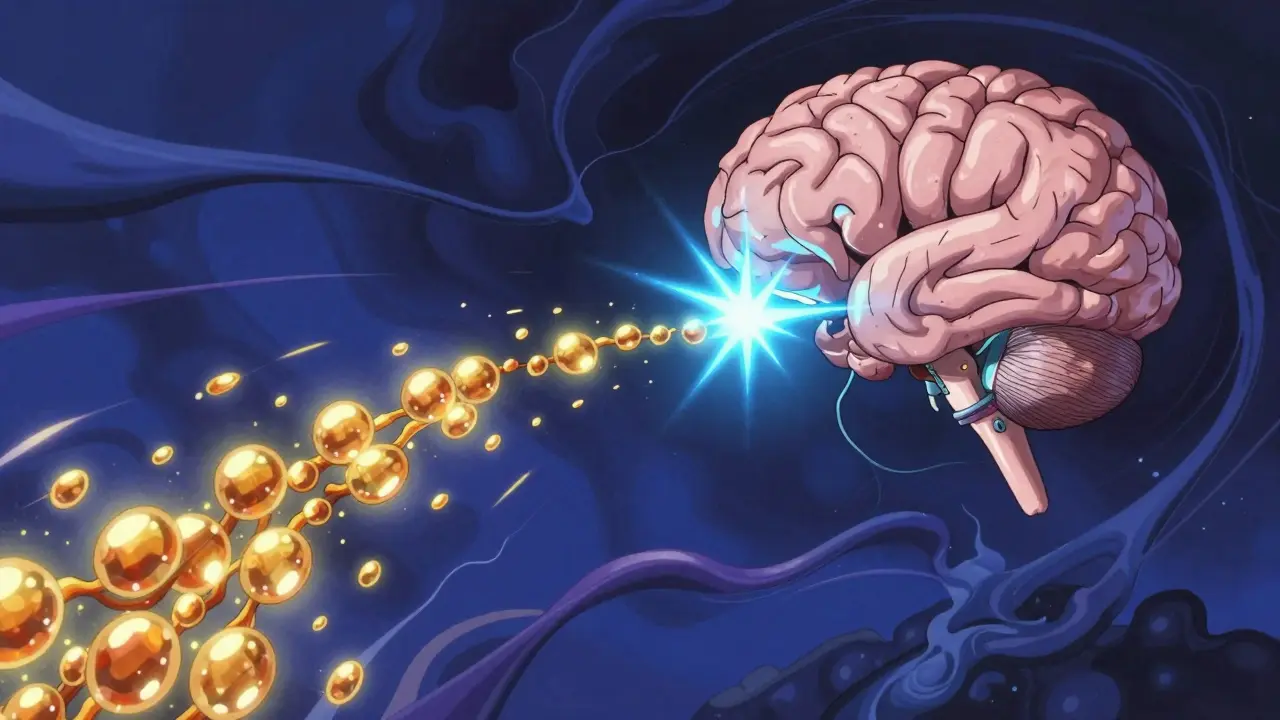
To understand the risk, you first have to understand the assembly line. Your brain doesn't just "have" serotonin; it builds it. Serotonin (also known as 5-HT) is created through a two-step process. First, L-tryptophan is converted into 5-hydroxytryptophan by an enzyme called tryptophan hydroxylase. Then, it is converted into active serotonin.
The amount of serotonin your brain produces is directly tied to how much tryptophan is floating in your plasma. If you flood your system with supplemental tryptophan, you provide more raw material for the brain to churn out serotonin. For a healthy person, this might just mean a better night's sleep. But for someone on a serotonergic medication, the brain is already struggling to balance these levels, and the extra supply can push the system over the edge.
Comparing Antidepressants: Which Ones Interact?
Not all antidepressants are created equal. Some target serotonin specifically, while others focus on dopamine or norepinephrine. The danger level changes depending on which class of drug you are taking.
Interaction Risk: L-Tryptophan vs. Antidepressant Classes
Targets dopamine and norepinephrine, not serotonin.
For example, research shows that people on Selective Serotonin Reuptake Inhibitors (SSRIs) have a much higher risk of relapse or adverse reactions when their tryptophan levels are manipulated compared to those on drugs like bupropion. Why? Because bupropion doesn't touch the serotonin system. If you're on a non-serotonergic drug, the "overlap" isn't there, making the interaction far less likely.
The Danger Zone: Recognizing Serotonin Syndrome
When you combine L-tryptophan with an SSRI or MAOI, you risk Serotonin Syndrome, a condition where your body has too much serotonin. This isn't a subtle mood shift; it's a physical crisis. It usually happens quickly-often within hours of taking a high dose of a supplement while on medication.
Keep an eye out for these three categories of symptoms:
Cognitive/Behavioral: Sudden confusion, agitation, anxiety, or a strange sense of restlessness.
Autonomic: Shivering, heavy sweating, high fever, and rapid heart rate.
Neuromuscular: Muscle rigidity, tremors, or "twitchy" reflexes (hyperreflexia).
Real-world data reflects this risk. On platforms like Reddit and Amazon, a significant number of users have reported gastrointestinal distress or intense anxiety when combining doses of 1,000mg or more of tryptophan with their prescriptions. In a survey of nearly 500 psychiatrists on Sermo, over 70% admitted they avoid recommending tryptophan during SSRI treatment specifically because the interaction is too unpredictable.
Clinical Management and Dosing Realities
Despite the risks, some doctors do use tryptophan as an "augmentation strategy." This means they use it to boost a medication that isn't working well enough on its own. However, they don't just throw a pill at the patient; there is a very specific protocol to keep the patient safe.
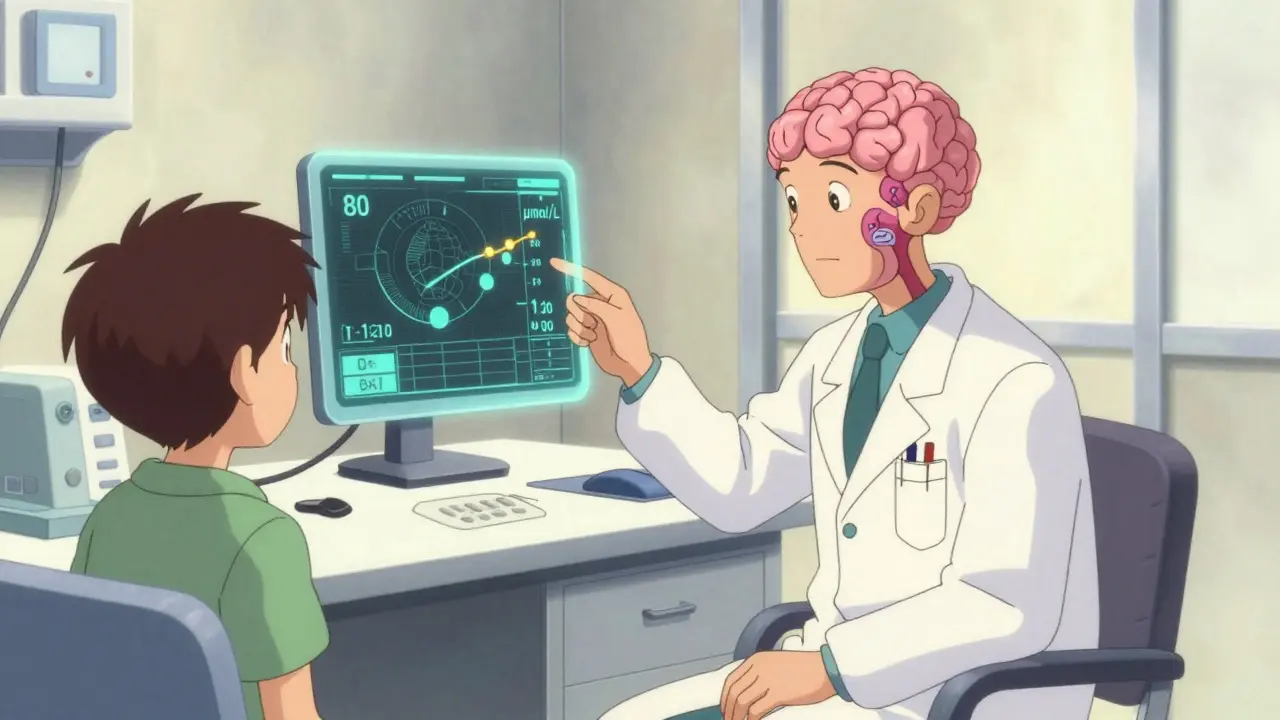
Medical guidelines typically suggest a therapeutic trial of 1-3g per day over 4-6 weeks. But the key is monitoring. Clinicians often check plasma tryptophan levels at week 2 and week 4 to ensure the concentration stays within the therapeutic range of 80-120 μmol/L. If the levels spike too high, the risk of toxicity skyrockets.
Another critical rule is the "washout period." If you are switching from one serotonergic drug to another, doctors often require a 7-10 day gap. Trying to start tryptophan during this transition period can be dangerous because your brain's chemistry is already in flux.
The Great Debate: Does Serotonin Actually Cause Depression?
While we focus on safety, it's worth mentioning that the scientific community is currently fighting over whether the "serotonin theory" of depression is even correct. For decades, we believed depression was caused by a simple lack of serotonin. Tryptophan supplements were seen as a way to "fill the gap."
However, a massive 2022 umbrella review involving over 116,000 participants challenged this. The researchers found no consistent evidence that low serotonin levels cause depression. This has shifted the conversation. New research suggests that the kynurenine pathway-how tryptophan is broken down into other metabolites-might be more important than the serotonin itself. In short, the "fuel" (tryptophan) might be doing something entirely different in your brain than we originally thought, which makes self-supplementing even riskier because we don't fully understand all the pathways involved.
Practical Safety Checklist for Supplement Users
If you are considering L-tryptophan, do not start based on a blog post or a friend's recommendation. Use this checklist to guide your conversation with a healthcare provider:
Audit your meds: Are you taking an SSRI, SNRI, or MAOI? If yes, the risk of interaction is high.
Check the dose: Are you exceeding 5g per day? The European Food Safety Authority identifies 5g as the maximum safe daily limit for general health.
Timing: Have you been on a stable dose of your antidepressant for at least two weeks? Sudden changes in medication dose make the system more volatile.
Source quality: Is the supplement from a reputable brand? History reminds us of the 1989 contamination incident where tainted tryptophan caused thousands of cases of eosinophilia-myalgia syndrome.
Symptom tracking: Do you have a way to track heart rate and temperature if you start feeling "weird" after a dose?
Can I take L-Tryptophan with an SSRI for sleep?
It is generally discouraged without a doctor's supervision. Because both SSRIs and L-Tryptophan increase serotonin levels, combining them increases the risk of Serotonin Syndrome. While some people use low doses (500mg) for sleep, the risk of a severe interaction outweighs the benefit for many.
What is the safest dose of L-Tryptophan?
For healthy adults not on medication, the European Food Safety Authority suggests a limit of 5g per day. However, for those on antidepressants, even 1,000mg can be risky. Always consult a professional to determine a dose based on your specific medication and blood chemistry.
How long does it take for Serotonin Syndrome to appear?
Symptoms usually appear very quickly, often within a few hours of taking a new medication or increasing a supplement dose. If you experience rapid heart rate, shivering, and confusion shortly after taking L-Tryptophan, seek emergency medical care immediately.
Does L-Tryptophan work for everyone with depression?
No. Response varies wildly. Some clinical studies show a 63% success rate when used as an augmentation to SSRIs, but other research suggests that people with pre-existing vulnerabilities in their serotonergic system are more susceptible to mood crashes when tryptophan levels fluctuate.
What is the difference between L-Tryptophan and 5-HTP?
L-Tryptophan is the raw amino acid that must be converted into 5-HTP by the enzyme tryptophan hydroxylase. 5-HTP skips this first step and goes directly toward serotonin production. This makes 5-HTP potentially more potent and even riskier when combined with antidepressants.