
Imagine a nurse preparing an insulin injection. The dose is calculated, the syringe is filled, and the patient is waiting. It seems routine. But if that calculation is off by even a small margin, the consequences can be fatal. This is why high-risk medications are drugs that carry a heightened risk of causing significant patient harm when used in error. These aren't just regular prescriptions; they are powerful agents where a minor mistake leads to major tragedy.
In healthcare settings, preventing these dispensing errors isn't optional-it's a critical safety protocol. The Institute for Safe Medication Practices (ISMP) defines these drugs specifically because their narrow therapeutic index or complex dosing requirements demand extra eyes on the process. When you handle these substances, standard procedures aren't enough. You need robust verification systems to catch errors before they reach the patient.
What Defines a High-Alert Medication?
Not every drug requires the same level of scrutiny. A high-alert medication is one where an error could cause serious injury or death. The ISMP’s target list serves as the gold standard for identifying these risks. If a medication appears on this list, it triggers specific safeguards within a hospital or clinic.
The core characteristic of these drugs is their potential for catastrophic outcomes from simple mistakes. For example, confusing milligrams with micrograms, or administering a concentrated solution instead of a diluted one. Because human error is inevitable in high-pressure environments, the system must account for it through structured checks.
- Narrow Therapeutic Index: Small changes in dose lead to toxicity or treatment failure.
- Complex Dosing: Requires calculations based on weight, body surface area, or lab values.
- Concentrated Forms: Available in strengths that look similar but differ significantly (e.g., potassium chloride).
- Rapid Onset: Effects happen quickly, leaving little time to reverse an overdose.
Understanding these attributes helps healthcare providers recognize why certain drugs get flagged. It’s not about fear; it’s about respect for the power of these medicines.
The Gold Standard: Independent Double Checks
When we talk about verifying high-risk meds, the term independent double check (IDC) comes up constantly. But what does it actually mean? It’s not just having someone glance over your shoulder. An IDC requires two qualified professionals to perform the verification process separately.
The first provider prepares the medication and documents the plan. The second provider then repeats the entire process-checking the order, calculating the dose, and inspecting the drug-without looking at the first person’s work. Only after both agree does administration proceed. This independence is crucial. If the second checker just looks at what the first did, confirmation bias kicks in, and errors slip through.
The Joint Commission mandates that organizations identify high-alert medications in writing and follow a process for managing them. This standard, effective January 1, 2023, ensures that hospitals don’t just guess which drugs need extra care. They must have a formal, documented policy.
Which Medications Require Extra Verification?
Knowing which drugs trigger these protocols is essential for any clinician. While lists vary slightly by facility, the ISMP 2022 list highlights the most common culprits. Here are the categories that almost always require dual verification:
| Medication Class | Specific Examples | Primary Risk Factor |
|---|---|---|
| Insulin Products | All routes (IV, SubQ, SC) | Dose calculation errors; confusion between types |
| Opioids | Morphine, Fentanyl (IV, Epidural, Intrathecal) | Respiratory depression; concentration confusion |
| Anticoagulants | Heparin (IV, SubQ), Warfarin | Bleeding risks; complex monitoring requirements |
| Chemotherapy Agents | Cisplatin, Doxorubicin | Toxicity; vesicant properties; complex regimens |
| Electrolytes | Potassium Chloride Concentrate | Cardiac arrest if pushed undiluted |
| Cardiovascular Drugs | Digoxin, Amiodarone | Narrow therapeutic window; arrhythmia risk |
In pediatric settings, the stakes are even higher. Children metabolize drugs differently, and their smaller bodies mean doses are tiny fractions of adult amounts. Consequently, many institutions require dual verification for all cardiac medications given to patients under 18. Neonatal intensive care units often mandate this for all high-alert drugs.
How to Perform a Correct Verification
Performing an IDC correctly is more than just signing a chart. It involves verifying the "Nine Rights" of medication administration. Both providers must confirm:
- Right Patient
- Right Drug
- Right Dose
- Right Route
- Right Time
- Right Documentation
- Right Reason
- Right Response
- Right to Refuse
For chemotherapy, standards set by the American Society of Clinical Oncology (ASCO) and Oncology Nursing Society (ONS) are strict. Before administration, two practitioners must verify patient identification using two identifiers. They must confirm the planned treatment with the patient, checking the drug name, dose, volume, rate, route, expiration dates, and physical appearance of the drug. Finally, both must sign to indicate verification was done.
Who can perform these checks? Not everyone qualifies. Policies typically restrict this role to nursing staff, prescribers (MDs, DOs, ARNPs, PAs), and pharmacists. A technician might prepare the med, but the final verification usually requires a licensed clinician who understands the clinical context.
The Controversy: Are Manual Checks Enough?
Here’s where things get tricky. Despite being widely promoted, manual independent double checks have limitations. The ISMP explicitly states it does NOT recommend IDCs for all high-alert medications or all vulnerable patients. Why? Because humans are prone to fatigue and distraction.
Research shows that lack of time is a recurring theme in failed checks. Nurses working under pressure may rush the process, turning a safety measure into a box-ticking exercise. In a 2022 survey, 68% of nurses admitted to skipping required double checks during high-workload periods, with 42% citing a lack of available second checkers as the main reason.
This creates a false sense of security. If you rely solely on manual checks, you’re betting on human perfection in imperfect conditions. That’s a risky bet.
Technology as a Safer Alternative
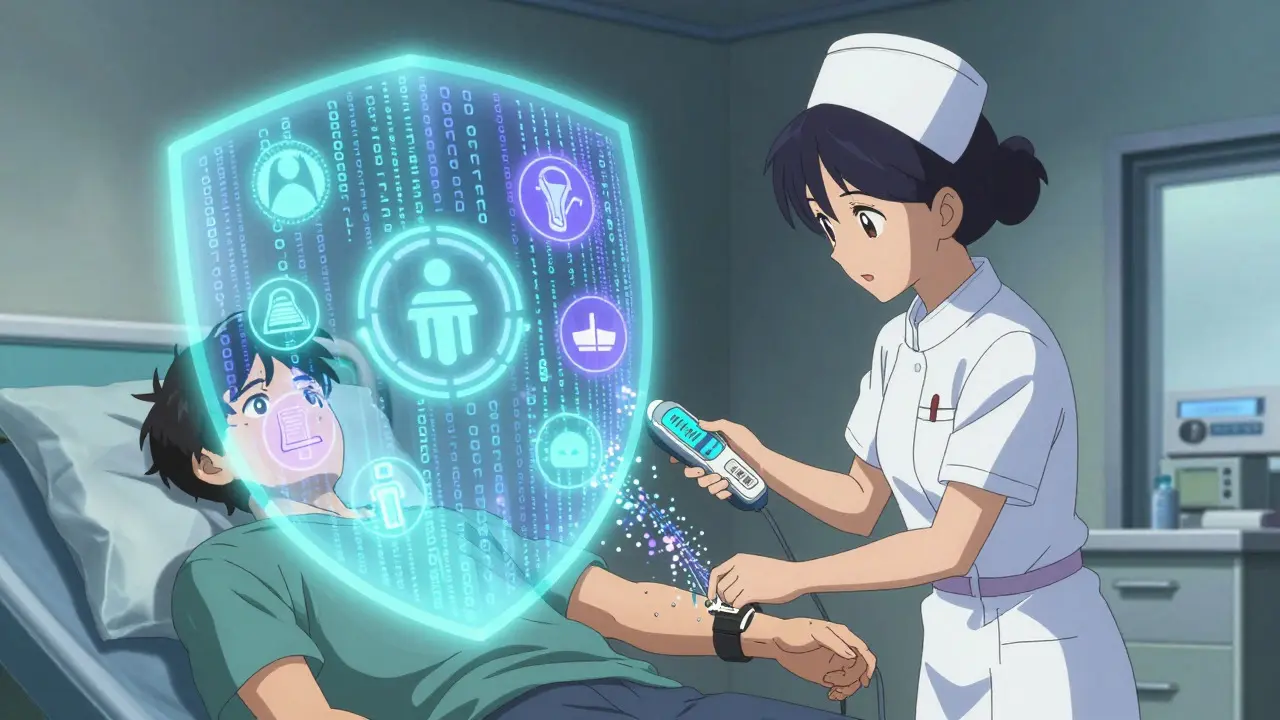
So, what’s the solution? Technology. Barcode scanning at the bedside offers a more reliable verification strategy than manual checks alone. When a nurse scans the patient’s wristband and the medication barcode, the system automatically verifies the five rights against the electronic health record (EHR). It’s instant, objective, and leaves a digital trail.
However, technology isn’t a silver bullet. For infusion pump programming errors, manual verification remains valuable. The pump might accept a wrong rate if programmed incorrectly, and the scanner won’t catch that logic error. Therefore, the trend is shifting toward selective implementation. Use technology for routine checks and reserve manual IDCs for complex scenarios where human judgment is irreplaceable.
Organizations like the Veterans Health Administration (VHA) are implementing barcode scanning to supplement manual processes. Their directive emphasizes mandatory training for all staff handling high-alert medications, ensuring everyone knows how to use these tools effectively.
Building a Culture of Safety
Verification procedures are only part of the puzzle. The real key is culture. Staff need to feel empowered to speak up if something looks wrong. If a second checker sees a potential issue, they should stop the process without fear of reprimand.
Facilities must develop their own high-alert medication lists based on internal data, error reports, and manufacturer warnings. One size doesn’t fit all. A community hospital might face different staffing constraints than a large academic center. Tailoring policies to local realities improves compliance and effectiveness.
Regular audits help too. Reviewing charts for proper documentation of IDCs ensures accountability. But remember, the goal isn’t punishment; it’s learning. Every near-miss is a chance to improve the system.
What is an independent double check?
An independent double check is a safety procedure where two qualified healthcare professionals separately verify the correct drug, dose, route, and patient before administering a high-risk medication. The second person performs the check without seeing the first person's work to prevent confirmation bias.
Why are insulin and heparin considered high-risk?
Insulin and heparin have narrow therapeutic indices, meaning small dosing errors can lead to severe hypoglycemia or life-threatening bleeding. They also come in various concentrations and formulations, increasing the risk of selection errors.
Is manual double-checking still recommended?
Manual double-checking is recommended for specific high-risk scenarios, such as IV chemotherapy or complex infusions, but experts increasingly favor technology-based solutions like barcode scanning for routine verifications due to higher reliability and efficiency.
Who can perform a double check?
Typically, only licensed clinicians such as nurses, physicians, physician assistants, nurse practitioners, and pharmacists are permitted to perform independent double checks. Policies vary by institution but generally exclude unlicensed assistive personnel for final verification.
How do hospitals decide which drugs need extra verification?
Hospitals create facility-specific lists based on ISMP guidelines, internal error data, sentinel events, manufacturer warnings, and regulatory requirements. This ensures the list reflects the unique risks and workflows of that particular organization.