
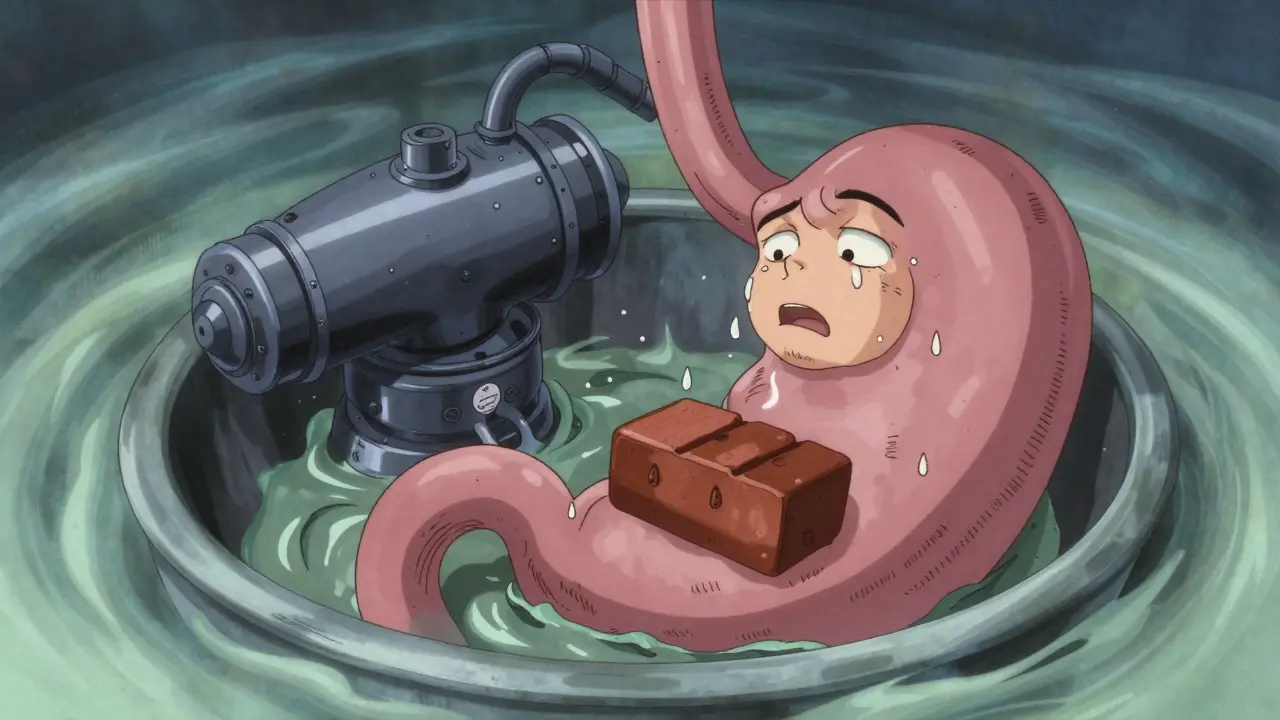
Imagine eating a meal and feeling like you swallowed a brick. Your stomach doesn't move the food along. Instead, it sits there, fermenting and causing nausea, bloating, and pain for hours-or even days. This isn't just "indigestion." This is gastroparesis, also known as stomach paralysis. It is a condition where your stomach empties too slowly because the nerves or muscles that control digestion aren't working right.
You might feel full after only two bites. You might vomit food you ate yesterday. If this sounds familiar, you are not alone. About 4% of people deal with this, and if you have diabetes, your risk jumps significantly. There is no magic cure yet, but you can take back control. The secret? It’s not just about what you eat, but how you process it before it even hits your plate.
Understanding the Mechanics of Delayed Gastric Emptying
To manage gastroparesis, you first need to understand why your stomach is on strike. Normally, your stomach does two things: it relaxes to let food in, then it churns that food into a liquid slurry so it can pass into your small intestine. In gastroparesis, that churning stops or slows down drastically.
The culprit is usually the vagus nerve, which acts as the communication line between your brain and your stomach. When this nerve is damaged-often by diabetes, surgery, or viral infections-the signals get lost. The stomach muscles don't contract properly. Food piles up. Gas builds up. Pain follows.
Doctors diagnose this using a gastric emptying study. If less than 10% of your meal leaves your stomach in one hour, or less than 50% in two hours, you likely have delayed gastric emptying. But diagnosis is just step one. The real work happens in your kitchen.
The Golden Rules of the Gastroparesis Diet
Dietary changes are the first line of defense. In fact, about 65% of patients see major improvements just by tweaking their eating habits. You don’t need expensive supplements. You need strategy. Here are the non-negotiable rules:
- Small portions, often: Eat five to six tiny meals a day instead of three big ones. Keep each serving under 1.5 cups (300-600 calories). A huge meal overwhelms your paralyzed stomach; a tiny one slips through.
- Low fat: Fat slows down digestion naturally. For you, that’s bad news. Aim for less than 3 grams of fat per meal. Avoid fried foods, creamy sauces, and fatty cuts of meat.
- Low fiber: Fiber is great for most people, but terrible for gastroparesis. It creates bulk that your stomach can’t break down. Stick to less than 15 grams of fiber daily. Skip raw veggies and whole grains.
- Liquids separate from solids: Don’t drink with your meal. Liquids expand your stomach volume by 40%, making you feel fuller faster. Wait 30 minutes after eating before sipping water.
Foods to Embrace vs. Foods to Avoid
Knowing what to put on your plate is half the battle. Let’s look at specific swaps that make a difference.
| Food Group | Avoid (High Risk) | Choose (Low Risk) |
|---|---|---|
| Fruits | Raw apples, berries, skins | Canned peaches, bananas, melons, applesauce |
| Vegetables | Broccoli, corn, kale, raw salads | Pureed carrots, spinach (cooked), potatoes (no skin) |
| Proteins | Tough steaks, chicken breast (raw/chewy) | Eggs, tofu, canned tuna, blended soups |
| Grains | Oats, brown rice, whole wheat bread | White rice, white pasta, refined flour crackers |
| Dairy | Whole milk, heavy cream | Skim milk, lactose-free options, yogurt |
Notice a pattern? Texture matters more than nutrition here. If you can chew it easily, your stomach has less work to do. If it requires grinding, skip it.
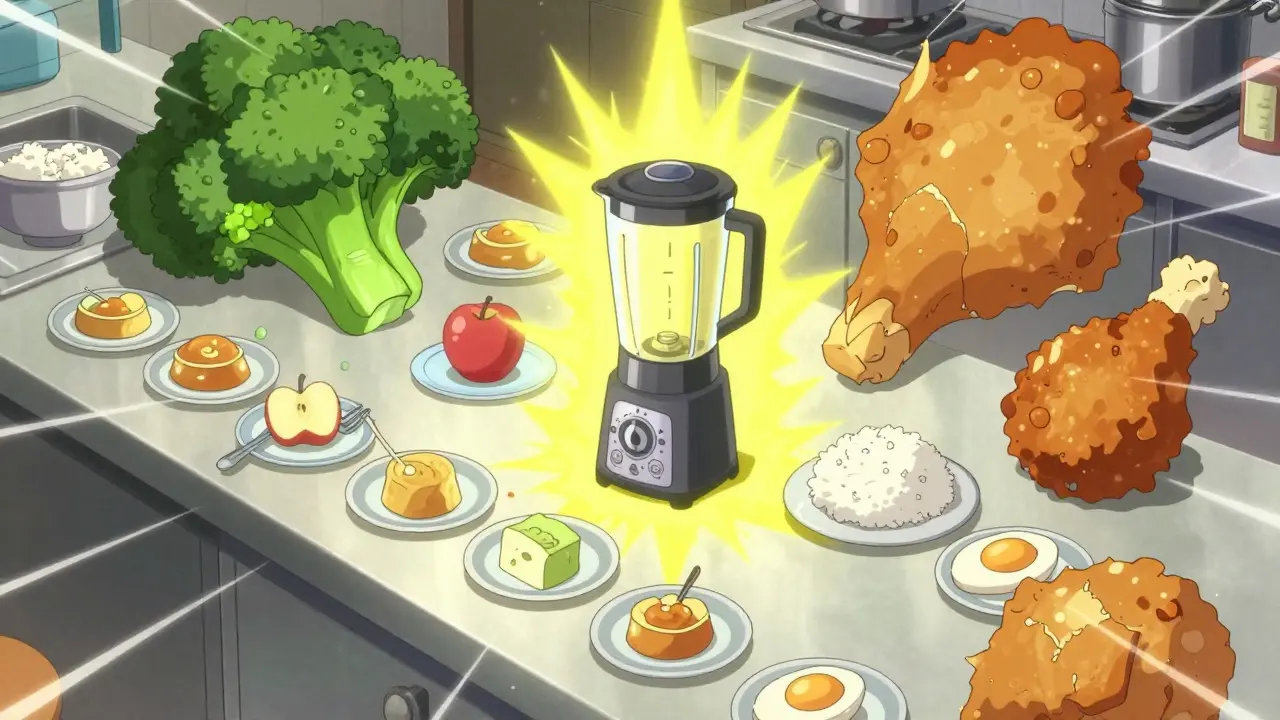
The Blender Method: Turning Solids into Liquids
This is the game-changer for many patients. Blending your food reduces particle size to less than 2 millimeters. Your stomach doesn’t have to chop it up; it just absorbs it. Think of it as pre-digesting your meal.
- Cook thoroughly: Steam or boil vegetables until they are mushy. Cook meats until they fall apart.
- Add liquid: Use broth, water, or juice to help the blender create a smooth consistency.
- Blend until smooth: No chunks. If it looks like baby food or a thick soup, you’re good.
- Consume immediately: Don’t let it sit. Drink or eat it while it’s fresh.
Examples include blended chicken noodle soup, pureed vegetable stews, or protein shakes made with soft fruits like bananas and avocados. Yes, avocado has fat, but it’s soft and easy to blend in small amounts. Just watch your total fat count.
Hydration Strategies That Won’t Backfire
Dehydration is a real risk, especially if you’re vomiting. But chugging a glass of water will bloat you instantly. Instead, sip. Take 1-2 ounces every 15 minutes throughout the day. Electrolyte drinks can help replace lost salts, but avoid carbonated beverages. The bubbles expand in your stomach, increasing pressure and pain by 25%. Stick to flat, room-temperature fluids.

When Diet Isn’t Enough: Medical Interventions
If strict dieting doesn’t cut it, doctors may step in with medication or procedures. Prokinetic drugs like metoclopramide help stimulate stomach muscles to move food along. They work for about half of patients, but long-term use comes with risks, so doctors monitor closely.
For severe cases, options include gastric electrical stimulation (a pacemaker for your stomach) or endoscopic procedures like per-oral pyloromyotomy (POP), which relaxes the valve between your stomach and intestine. These are last resorts, but they can be life-changing when nothing else works.
Living With Gastroparesis: Practical Tips
Managing this condition takes patience. Keep a food diary. Track what you eat and how you feel an hour later. You’ll spot your personal triggers fast. Work with a registered dietitian who specializes in GI issues-they can tailor a plan that keeps you nourished without triggering symptoms. And remember, mental health matters. Eating anxiety is real. Talk to someone if the fear of eating starts controlling your life.
You can’t fix the nerve damage overnight, but you can adapt. Small meals, low fat, low fiber, and plenty of blending go a long way. Stay consistent, listen to your body, and don’t hesitate to seek professional support.
Can I ever eat normal food again?
It depends on the severity of your case. Some people find they can tolerate small amounts of solid food once symptoms stabilize, but most need to stick to modified textures long-term. Experiment cautiously under medical guidance.
Is gastroparesis caused by stress?
Stress doesn’t cause gastroparesis, but it can worsen symptoms. The primary causes are nerve damage (often from diabetes), surgery, or certain medications. However, managing stress helps reduce symptom flare-ups.
What should I do if I vomit undigested food?
This is a hallmark sign of gastroparesis. Rest your stomach for a few hours. Sip clear fluids slowly. If vomiting persists or you show signs of dehydration (dizziness, dark urine), seek medical attention immediately.
Are there supplements that help?
Some patients benefit from ginger capsules for nausea, but always check with your doctor first. Nutritional shakes designed for easy digestion can also help maintain weight when solid food is difficult.
How long does it take to adjust to the diet?
Most people notice improvement within 8-12 weeks of strictly following dietary guidelines. It takes time to retrain your eating habits and find the right texture and portion sizes for your body.